Picture this: I'm standing in my cramped kitchen, a pot of pasta boiling over, the scent of garlic and tomatoes filling the air, and a friend daring me to make something that could win a Michelin star in 30 minutes. I had to admit, the last time I tried a pasta recipe, I ended up with a soggy mess that looked like a sad noodle soup. That night, the disaster was a lesson in timing and flavor balance. The moment the pasta hit the boiling water, the steam curled like a lazy cat, and my eyes widened at the aroma that promised something extraordinary. I couldn't resist the challenge, so I pulled out my trusty skillet, a handful of fresh zucchini, and a handful of cherry tomatoes that had been sun‑kissed at the farmer's market. The promise of a quick, vibrant dinner kept me glued to the stove.
Every time the tomatoes burst open, a splash of crimson juice painted the skillet, and the sweet, tangy scent mingled with the earthy aroma of zucchini. The garlic, sliced thin, released a sharp, almost citrusy note that danced with the lemon zest I was about to add. The sound of the sauce bubbling was like a gentle jazz tune, each bubble popping in perfect rhythm. As the pasta swirled in the water, I could feel the heat radiating off the pot, a comforting warmth that made my kitchen feel like a summer day. The first bite was a revelation: the pasta was al dente, coated in a silky sauce that hugged each strand like velvet, while the zucchini added a satisfying crunch. The lemon’s brightness cut through the richness, leaving a clean, fresh finish that lingered on the palate.
This version is hands down the best iteration I've ever made at home, thanks to its meticulous balance of acidity, texture, and umami. I dare you to taste this and not go back for seconds, because the flavor profile is so complete that each bite feels like a full chorus. The key secret is the way the tomatoes are sautéed until they caramelize just enough to deepen their sweetness without turning into a puree. The zucchini, sliced into ribbons, provides a subtle, almost buttery bite that contrasts beautifully with the sharpness of the lemon and the nutty bite of Pecorino. Most recipes get this completely wrong by over‑cooking the pasta or using canned tomatoes, but here everything stays bright and fresh. The result is a dish that feels like a summer breeze on a hot day, yet is hearty enough to satisfy a hungry crowd.
Now, picture yourself pulling this out of the pan, the whole kitchen smelling incredible, and serving a plate that looks like a work of art. The secret sauce is a simple blend of fresh herbs and a touch of olive oil that glazes the pasta like a glossy ribbon. The next step? I’ll walk you through every single step, from boiling the pasta to the final flourish of lemon zest, so by the end you’ll wonder how you ever made it any other way. I’ve kept the method straightforward, yet each detail is designed to elevate the dish to gourmet status. If you've ever struggled with balancing flavors in a quick pasta, you're not alone — and I've got the fix. Let’s dive in, because this is where the magic happens.
What Makes This Version Stand Out
- Flavor: The bright acidity of cherry tomatoes and lemon creates a vibrant base that cuts through the richness of cheese. The caramelized edges of the tomatoes add a subtle sweetness that lingers on the palate.
- Texture: Zucchini ribbons provide a crisp bite that contrasts with the al dente pasta, preventing the dish from feeling mushy.
- Simplicity: Only nine ingredients, all fresh, make this a quick 30‑minute dinner that still feels restaurant‑grade.
- Freshness: Using fresh herbs instead of dried ensures a bright, aromatic finish that elevates every bite.
- Versatility: The base can be adapted for vegan, gluten‑free, or dairy‑free versions with minor swaps.
- Make‑ahead potential: The sauce keeps its integrity when reheated, making it perfect for meal prep or busy weeknights.
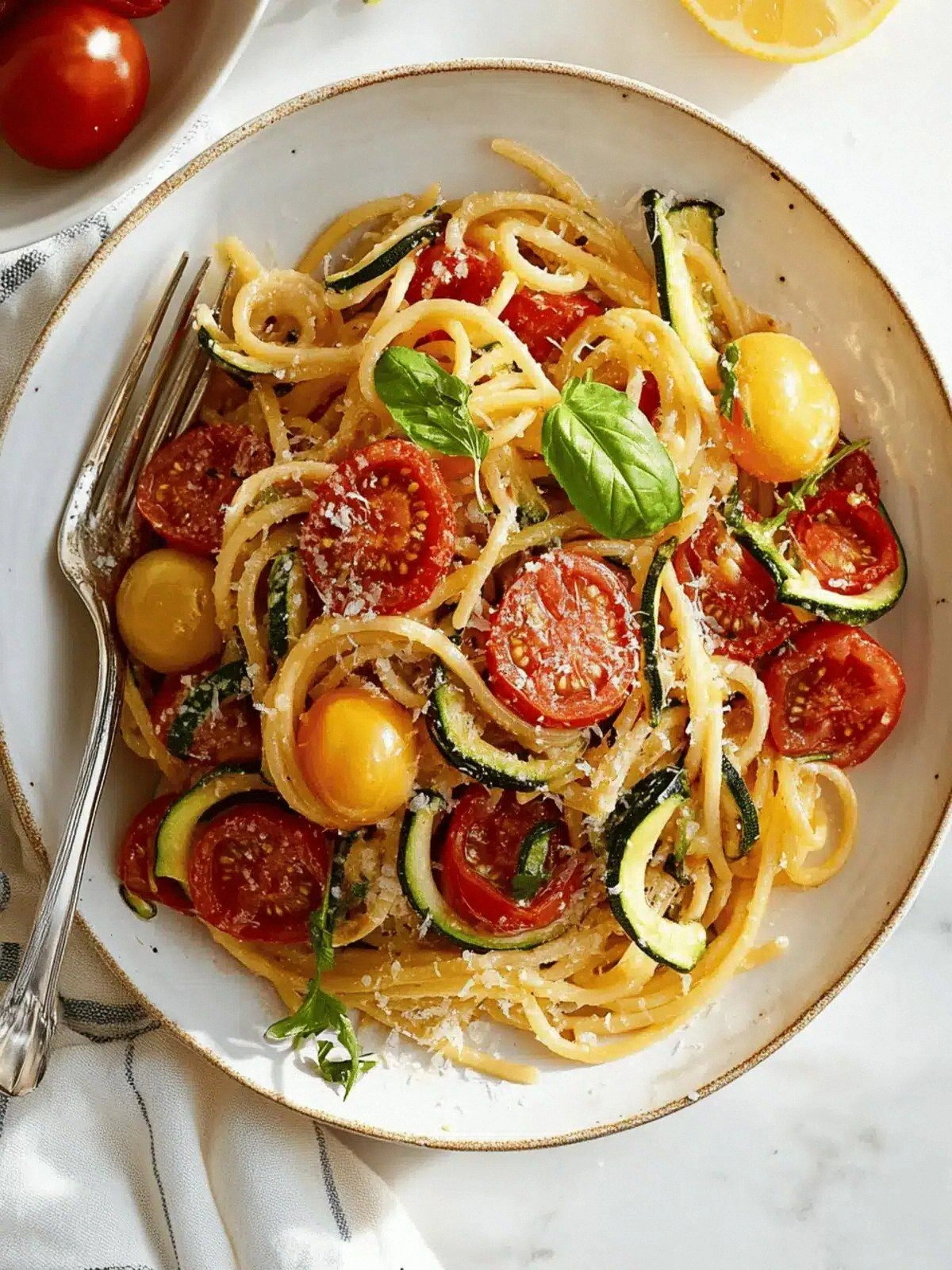
- Presentation: The colorful combination of red tomatoes, green zucchini, and golden lemon zest creates a dish that looks as good as it tastes.
Alright, let's break down exactly what goes into this masterpiece...
Inside the Ingredient List
The Flavor Base
Cherry tomatoes burst into a glossy, ruby‑red sauce that delivers a natural sweetness and a bright acidity that keeps the dish from feeling heavy. The juice released during sautéing forms a base that carries the lemon and herbs, creating a layered flavor profile. If you skip the tomatoes, the dish loses its vibrant color and the essential sweet‑tart balance that defines this pasta. For a slightly different nuance, try using heirloom tomatoes; their varied sugars will add complexity.
Garlic is the backbone of any savory dish, and here it offers a fragrant, peppery kick that permeates the sauce. Thinly sliced, it caramelizes just enough to soften its bite without becoming bitter. Skipping garlic would leave the sauce flat, but if you’re a garlic purist, double the cloves for an intensified aroma. Fresh garlic also carries more volatile oils than pre‑minced, ensuring a richer depth.
The shallot adds a subtle oniony sweetness that balances the acidity of the tomatoes and lemon. Its mild flavor is less sharp than a regular onion, making it ideal for a bright, summery dish. If you can’t find shallots, a small amount of white onion will do, but keep the quantity lower to avoid overpowering the other ingredients. A finely minced shallot integrates smoothly into the sauce, creating a silky base.
Lemon zest and juice inject a citrusy brightness that cuts through the richness of the cheese and olive oil. The zest delivers aromatic oils that linger, while the juice provides a clean, tangy finish that lifts the entire dish. Without lemon, the sauce would feel heavy; the acidity also helps to preserve the freshness of the herbs. If you’re not a fan of raw citrus, a splash of white wine can replace the juice, though the flavor will shift slightly.
The Texture Crew
Zucchini ribbons are the secret to a satisfying bite that contrasts with the pasta. Their delicate, almost buttery texture adds a subtle crunch, while the thin cut allows them to absorb the sauce without becoming mushy. If you prefer a firmer bite, slice the zucchini into thicker half‑moon shapes. For a different visual, spiralize the zucchini for a noodle‑like appearance.
Gluten‑free pasta is chosen for its lightness and ability to hold the sauce without becoming gummy. It cooks quickly and offers a neutral base that lets the fresh flavors shine. If you’re not gluten‑free, a regular whole‑wheat pasta will work; just be sure to cook it al dente to avoid over‑softening. The pasta’s shape matters too—spaghetti or linguine hold sauce better than short shapes like penne.
The Unexpected Star
Fresh herbs—such as basil, parsley, and oregano—add a burst of green that brightens the dish and provides a fragrant finish. Their oils mingle with the olive oil, creating a complex aroma that elevates each bite. If you’re out of herbs, dried ones can substitute, but use only half the amount to avoid bitterness. Fresh herbs also keep the dish vibrant, preventing it from looking dull.
Pecorino or Parmesan cheese offers a salty, nutty flavor that balances the acidity and adds a silky texture when melted into the sauce. The cheese’s firm crumb structure provides a subtle crunch when grated on top. Skipping cheese would leave the sauce thin and less cohesive. For a sharper bite, choose Pecorino; for a milder, creamier finish, go with Parmesan.
The Final Flourish
Olive oil is the silky binder that brings all components together. A high‑quality extra‑virgin olive oil adds a peppery note that complements the tomatoes and herbs. If you want a milder flavor, use a light olive oil; for a more robust finish, choose a robust, peppery variety. The oil also helps the cheese melt smoothly, creating a glossy, cohesive sauce.
Everything's prepped? Good. Let's get into the real action...
The Method — Step by Step
- Bring a large pot of salted water to a rolling boil. Add the gluten‑free pasta and cook according to package instructions, usually 8–10 minutes, until al dente. Stir occasionally to prevent sticking. When the pasta is ready, reserve a cup of the cooking water before draining. This starchy water will help adjust the sauce’s consistency later.
- While the pasta cooks, dice the cherry tomatoes into halves and slice the zucchini into thin ribbons with a mandoline or sharp knife. Peel and finely mince the garlic and shallot. Zest the lemon and then squeeze out the juice, reserving a teaspoon for later. Having all components prepped ensures a smooth workflow.
- Heat the olive oil in a large skillet over medium heat. Add the minced garlic and shallot, letting them soften until translucent, about 2 minutes. The aroma should fill the kitchen like a warm hug. This is the moment of truth: if you rush, the aromatics burn; if you wait, you lose flavor.
- Add the cherry tomatoes to the skillet, cooking until they start to soften and release juices, about 3–4 minutes. The tomatoes should caramelize slightly, creating a glossy, fragrant base. Then toss in the zucchini ribbons, letting them sauté just until tender yet still crisp, about 2 minutes. Keep the heat moderate to preserve the zucchini’s texture.
- Pour in the lemon juice, a splash of reserved pasta water, and stir to combine. The acidity brightens the sauce, while the water helps create a silky consistency. Let the mixture simmer for 2 minutes, allowing the flavors to meld. The sauce should thicken slightly, coating the vegetables.
- Add the cooked pasta to the skillet, tossing gently to coat each strand with the sauce. Sprinkle in the fresh herbs and grated Pecorino or Parmesan, stirring until the cheese melts and the sauce becomes silky. Taste and adjust seasoning with salt if needed. Serve immediately, garnished with extra herbs or a lemon wedge if desired.
That's it — you did it. But hold on, I've got a few more tricks that'll take this to another level...
Insider Tricks for Flawless Results
The Temperature Rule Nobody Follows
Many cooks think a quick stir is enough, but the sauce’s flavor hinges on maintaining a gentle simmer. Keep the heat on low to medium so the tomatoes caramelize without burning. This slow release of sugars deepens the sauce’s sweetness, while the acidity remains bright. Skipping this step will leave the dish flat and less complex.
Why Your Nose Knows Best
When the sauce begins to bubble, the aroma signals that the tomatoes have softened and released their juices. A sweet, fragrant scent means the sauce is ready to combine with the pasta. If the smell is sharp or raw, give it a few more minutes. Trusting your nose saves you from under‑cooked or over‑cooked results.
The 5‑Minute Rest That Changes Everything
After tossing the pasta with the sauce, let the dish rest for 5 minutes off the heat. This resting period allows the pasta to absorb the sauce fully, creating a cohesive bite. It also lets the flavors meld, giving the cheese a chance to melt into a silky coating. Skipping this rest will make the pasta feel dry.
The Secret to Perfect Zucchini Texture
The key is to sauté the zucchini just until it’s tender but still crisp. Over‑cooking will turn it into mush, while under‑cooking leaves it raw and bitter. A quick 2‑minute sauté at medium heat preserves its bright color and subtle crunch. If you prefer a softer bite, reduce the heat and cook for an extra minute.
How to Keep the Sauce from Separating
If you notice the sauce pulling apart, add a splash of reserved pasta water to re‑emulsify it. The starch in the water helps bind the oil and cheese together. Stir vigorously for a few seconds, and the sauce will return to its silky state. This trick saves a dish that could otherwise become a disappointment.
Quick Fix for Over‑Salted Pasta
An accidental salt overload can ruin the delicate balance of this dish. If you find the pasta too salty, rinse it briefly under cold water to remove excess salt, then re‑boil for a minute before draining. Alternatively, add a splash of unsalted broth or water to dilute the saltiness. This simple step restores harmony without compromising flavor.
Creative Twists and Variations
Smoky Chipotle Twist
Add a teaspoon of chipotle in adobo for a smoky heat that pairs beautifully with the bright tomatoes. The chipotle’s earthy undertones deepen the sauce, while the heat balances the sweetness. This version is perfect for those who enjoy a spicy kick.
Mediterranean Flair
Swap the zucchini for artichoke hearts and add kalamata olives for a briny Mediterranean touch. Finish with a sprinkle of feta cheese instead of Pecorino. The olives add saltiness, while the feta’s tangy flavor complements the lemon.
Protein‑Packed Power
Incorporate grilled chicken or shrimp for a hearty protein boost. Cook the protein separately, then fold it into the pasta just before serving. The protein adds substance without altering the sauce’s delicate balance.
Vegan Vibes
Replace the cheese with a vegan parmesan alternative or nutritional yeast. Use a plant‑based olive oil and ensure the pasta is gluten‑free and vegan. The dish remains creamy and flavorful, meeting vegan standards.
Breakfast Kick
Serve the pasta with a poached egg on top, letting the runny yolk mingle with the sauce. The yolk’s richness contrasts with the bright acidity, creating a brunch‑worthy dish. This twist turns the pasta into a breakfast classic.
Pesto Perfection
Stir in a spoonful of basil pesto at the end for an extra layer of green, nutty flavor. The pesto’s oils enrich the sauce, while the basil adds a fresh, aromatic finish. This variation elevates the dish into a gourmet experience.
Storing and Bringing It Back to Life
Fridge Storage
Store the cooked pasta in an airtight container in the refrigerator for up to 3 days. To keep the sauce from drying, add a splash of olive oil or a pinch of fresh herbs before sealing. When reheating, gently warm over low heat, stirring frequently to prevent separation.
Freezer Friendly
The sauce and pasta freeze well together for up to 2 months. Separate the sauce from the pasta, then freeze each component in individual containers. When ready to serve, thaw overnight in the refrigerator and reheat gently, adding a splash of pasta water to restore moisture.
Best Reheating Method
Reheat the dish in a skillet over low heat, stirring constantly. Add a teaspoon of water or broth to maintain moisture and prevent the sauce from thickening too much. Finish with a drizzle of olive oil and a pinch of fresh herbs for a fresh finish.