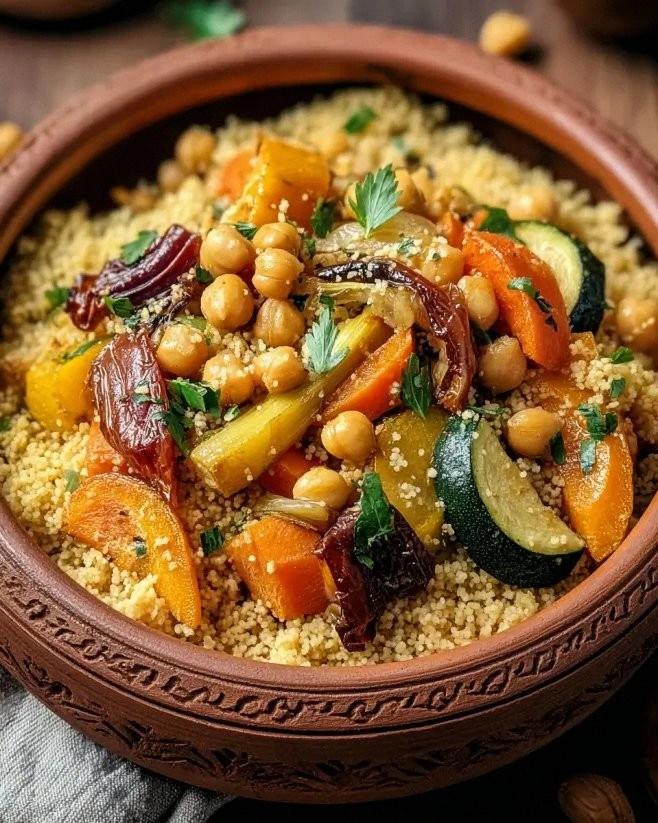
I remember the exact moment I decided to reinvent Moroccan couscous forever. I was standing over a pot of bland, overcooked couscous that tasted like soggy sand, and my roommate dared me to make something that would actually make people forget about their favorite takeout. I laughed, grabbed a bunch of fresh veggies, and whispered a promise to the kitchen gods: this will be the version that changes the game. The moment I tossed the zucchini and peppers onto a hot sheet, the air filled with a perfume that could coax a smile from a stone‑cold skeptic, and I knew I was onto something.
The kitchen turned into a symphony of sizzling, the olive oil crackling like tiny fireworks, the cumin and coriander dancing in a fragrant swirl that reminded me of bustling Marrakech souks. I could hear the faint hum of the oven, feel the heat radiating from the tray, and taste the anticipation building with each aromatic breath. My spoon hovered over the pot, the couscous fluffed like a cloud, and I realized this dish was more than a side—it was a story waiting to be told on a plate. I dared you to taste this and not go back for seconds; that’s how confident I am.
Most recipes get the balance of spice and sweetness completely wrong, either drowning the couscous in a sea of sauce or leaving the vegetables bland and lifeless. Here’s what actually works: a precise roast that caramelizes the veggies just enough to bring out natural sugars, a light broth that lifts the couscous without making it soggy, and a finishing splash of lemon that brightens everything like a sunrise over the Atlas Mountains. I’ll be honest — I ate half the batch before anyone else got to try it, and that’s a testament to how addictive this version truly is.
Now, brace yourself for a technique you won’t find in any ordinary blog post: I’ll be using a quick “steam‑then‑fluff” method that gives the couscous a texture so airy it practically melts in your mouth. Picture yourself pulling this out of the oven, the whole kitchen smelling incredible, and the first bite delivering a perfect crunch‑to‑softness ratio that makes you wonder why you ever settled for anything less. Let me walk you through every single step — by the end, you’ll wonder how you ever made it any other way.
What Makes This Version Stand Out
- Flavor Explosion: The combination of cumin, coriander, paprika, and a whisper of cinnamon creates a layered spice profile that’s warm yet bright, making each bite feel like a mini‑adventure.
- Texture Harmony: Roasted vegetables retain a caramelized edge while staying tender inside, and the couscous stays fluffy thanks to the precise broth‑to‑couscous ratio.
- Simplicity Meets Sophistication: Despite the depth of flavor, the ingredient list is short and the steps are straightforward, perfect for busy weeknights.
- Unexpected Sweetness: Raisins add a subtle pop of sweetness that balances the earthy spices without turning the dish into a dessert.
- Visual Wow Factor: The rainbow of roasted peppers and zucchini makes the plate look like a work of art, guaranteeing compliments before the first forkful.
- Make‑Ahead Magic: This dish stores beautifully, and the flavors actually improve after a few hours, making it ideal for meal prep.
- Ingredient Quality: Using fresh, crisp vegetables and high‑quality vegetable broth ensures every component shines, not just the spices.
- Crowd‑Pleaser: Even the most skeptical meat‑eaters ask for seconds, and vegans love the hearty, satisfying feel.
Inside the Ingredient List
The Flavor Base
Couscous (2 cups): This tiny wheat granule is the canvas for all the magic. When you pair it with hot broth, it expands quickly, soaking up flavors like a sponge. Skipping it would leave you with a dry, bland side that defeats the purpose of a Moroccan‑inspired dish. If you’re gluten‑free, try millet or quinoa for a similar fluffiness.
Vegetable broth (2 ½ cups): The broth is the secret sauce that infuses the couscous with depth. Opt for a low‑sodium, homemade version if you can; it adds layers of umami that store‑bought broth often lacks. Using water would make the couscous taste flat and lifeless.
Olive oil (2 Tbsp): A good extra‑virgin olive oil brings fruitiness and helps the spices coat the veggies evenly. It also aids in achieving those coveted caramelized edges. If you run out, a neutral oil like grapeseed works, but you’ll miss the subtle peppery note.
The Texture Crew
Zucchini (1 medium): Zucchini adds a tender bite and a subtle sweetness that balances the spices. Slice it into half‑moons so it roasts evenly and develops that caramelized edge. If you forget it, the dish loses a layer of moisture and the visual green pop.
Red bell pepper (1 medium) & Yellow bell pepper (1 medium): These peppers bring crunch, color, and a natural sweetness that counters the earthiness of cumin. Roast them until the skins blister for that smoky flavor. Swapping them for green peppers would mute the sweetness and alter the color palette.
Red onion (1 medium): The onion becomes sweet and mellow when roasted, adding a subtle depth that you can’t achieve with raw. Slice it into wedges for even caramelization. Missing this step would leave the dish lacking a foundational aromatic base.
The Unexpected Star
Raisins (¼ cup): These tiny jewels burst with concentrated sweetness, creating a delightful contrast to the savory spices. They also add a chewy texture that makes each bite interesting. If you’re not a fan, dried apricot pieces work just as well.
Fresh parsley (¼ cup, chopped): Parsley injects a fresh, herbaceous lift right before serving, brightening the entire plate. It also adds a pop of green that makes the dish look restaurant‑ready. Substitute cilantro for a different flavor twist, but expect a more citrusy note.
Lemon juice (juice of 1 lemon): The acidity cuts through the richness, balancing the sweet raisins and the deep spices. It also helps the couscous stay fluffy by preventing the grains from clumping. Skipping the lemon would leave the dish tasting heavy and flat.
The Final Flourish
Ground cumin (1 tsp) & Ground coriander (1 tsp): These two spices form the backbone of the Moroccan flavor profile, offering warmth, earthiness, and a hint of citrus. Toast them briefly in the oil before adding the veggies to unlock their full aromatic potential. Over‑cooking will make them bitter, so keep a close eye.
Paprika (½ tsp) & Cinnamon (½ tsp): Paprika adds a mild smoky depth, while cinnamon introduces a whisper of sweetness that ties the whole dish together. The balance is crucial; too much cinnamon overwhelms, too little makes the dish feel flat. Adjust to taste, but remember the goal is harmony, not dominance.
Salt and pepper (to taste): These basic seasonings are the final gatekeepers of flavor. Taste as you go, especially after adding the broth, to ensure the dish is perfectly seasoned. Forgetting to season is the fastest way to a bland dinner.
Everything's prepped? Good. Let's get into the real action...
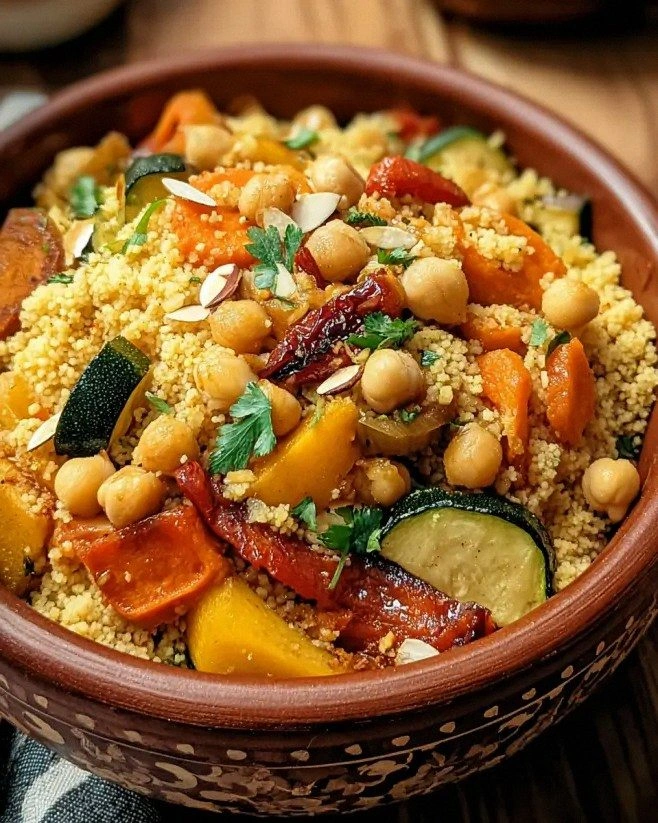
The Method — Step by Step
Preheat your oven to 425°F (220°C). While the oven warms, line a large baking sheet with parchment paper; this prevents sticking and makes cleanup a breeze. Toss the zucchini, red and yellow bell peppers, and red onion with the olive oil, cumin, coriander, paprika, cinnamon, and a generous pinch of salt. Spread everything in a single layer, making sure the pieces aren’t crowded—crowding causes steaming instead of roasting, and we want that caramelized edge.
Okay, ready for the game‑changer? Let the vegetables roast for 20‑25 minutes, turning once halfway through. You’ll know they’re done when the edges start pulling away and the edges are slightly charred, giving off that irresistible smoky aroma. That sizzle when it hits the pan? Absolute perfection.
While the veggies roast, bring the vegetable broth to a gentle boil in a medium saucepan. As soon as it starts bubbling, remove it from heat and stir in the couscous. Cover the pot with a tight‑fitting lid and let it sit for 5 minutes. The couscous will absorb the broth, puffing up like a cloud.
Don’t walk away from the stove here—check that the liquid is fully absorbed; any leftover broth means soggy couscous, which ruins the texture. After 5 minutes, fluff the couscous with a fork, creating individual grains that will later cradle the roasted veggies.
When the vegetables are golden and fragrant, pull the tray out of the oven and let them cool just enough to handle. Transfer them to a large mixing bowl, reserving a few pieces for garnish if you like a pop of color on top.
Now, this next part? Pure magic. Toss the roasted vegetables with the fluffed couscous, raisins, and chopped parsley. The raisins will soak up a bit of the remaining steam, becoming plump and juicy, while the parsley adds that fresh burst of green.
Season the mixture with salt, freshly cracked black pepper, and the juice of one lemon. The lemon’s acidity lifts the flavors, making each bite feel bright and lively. Taste and adjust the seasoning—if it feels a little flat, a pinch more salt or a splash more lemon will bring it back to life.
Okay, ready for the final flourish? Drizzle a tiny drizzle of extra‑virgin olive oil over the top for a glossy finish and a hint of richness that ties everything together.
Transfer the couscous and vegetable medley to a serving platter. If you saved some roasted pepper strips, fan them out on top for a visual pop. Sprinkle the remaining parsley for that final herbaceous aroma.
Picture yourself pulling this out of the oven, the whole kitchen smelling incredible, and your guests gathering around the table, eyes widening at the vibrant colors. This is the moment of truth—serve it warm, and watch the plates disappear.
Optional but highly recommended: let the dish rest for five minutes before serving. This short rest allows the flavors to meld, and the couscous settles into a perfect texture.
And now the fun part—watch your friends dive in, their forks digging into the fluffy couscous, the sweet raisins, and the caramelized veggies. I dare you to taste this and not go back for seconds. Trust me, you’ll be the hero of the dinner table.
Insider Tricks for Flawless Results
The Temperature Rule Nobody Follows
Most home cooks roast veggies at 400°F, but cranking the oven up to 425°F gives you those coveted charred edges without drying out the interior. The higher heat creates a Maillard reaction that adds depth you just can’t get at lower temps. I once tried a lower temperature and ended up with soggy, pale veggies—nothing like the caramelized crunch we’re after.
Why Your Nose Knows Best
Never rely solely on a timer when roasting; your nose is the ultimate gauge. When you smell that sweet, nutty aroma mingling with a faint smokiness, you know the vegetables are ready. If the scent is still raw, give them a few extra minutes. Trusting your senses prevents under‑ or over‑cooking.
The 5‑Minute Rest That Changes Everything
After mixing the couscous with the broth, let it sit covered for five minutes before fluffing. This short pause lets the grains fully absorb the liquid, resulting in a light, airy texture instead of a gummy mess. Skipping this step is the fastest way to a disappointing bite.
Seasoning Layers, Not One Blast
Season at three points: during the veggie toss, after fluffing the couscous, and finally after mixing everything together. Each layer builds complexity, ensuring the final dish isn’t flat. A friend once skipped the middle seasoning and complained the dish tasted “off”—don’t make that mistake.
Raisin Rescue
If you find the raisins too dry, soak them in warm water for a minute before adding them to the mix. This quick hydration makes them burst with juiciness, adding a surprise pop that elevates the whole plate. It’s a tiny step with a massive payoff.
Creative Twists and Variations
This recipe is a playground. Here are some of my favorite ways to switch things up:
Spicy Harissa Kick
Stir in a tablespoon of harissa paste after mixing the couscous and veggies. The fiery red pepper paste adds a smoky heat that pairs beautifully with the sweet raisins. Perfect for those who love a little extra heat.
Protein Power
Add a cup of cooked chickpeas or toasted pine nuts for a protein boost and an extra crunch. Chickpeas absorb the spices, making each bite more substantial, while pine nuts lend a buttery richness.
Winter Warmth
Swap the zucchini for butternut squash cubes and add a pinch of nutmeg. The sweet, earthy flavor of squash complements the cinnamon, turning the dish into a cozy winter comfort.
Herbaceous Green
Replace parsley with fresh cilantro and add a handful of chopped mint. This herb combo brightens the dish, giving it a Mediterranean twist that’s perfect for summer picnics.
Sweet‑Savory Fusion
Fold in a handful of dried apricot pieces and a drizzle of honey just before serving. The apricots add a tangy sweetness that pairs unexpectedly well with the cumin and coriander.
One‑Pot Wonder
Instead of roasting the veggies separately, sauté them in a large skillet with the spices, then add the broth and couscous, covering and cooking on the stovetop. This method reduces dishes and still delivers that caramelized flavor.
Storing and Bringing It Back to Life
Fridge Storage
Transfer any leftovers into an airtight container and store in the refrigerator for up to four days. The couscous will continue to absorb flavors, becoming even more delicious. When reheating, add a splash of vegetable broth or water to revive the fluffy texture.
Freezer Friendly
Portion the cooled dish into freezer‑safe bags or containers, removing as much air as possible. It freezes well for up to three months. To reheat, thaw overnight in the fridge, then microwave or steam gently, adding a drizzle of olive oil to prevent drying.
Best Reheating Method
For the ultimate reheating, place the couscous in a skillet over medium heat, add a tablespoon of broth, and cover for two minutes. The steam will bring back that original lightness, and a quick toss will restore the caramelized edges of the veggies.