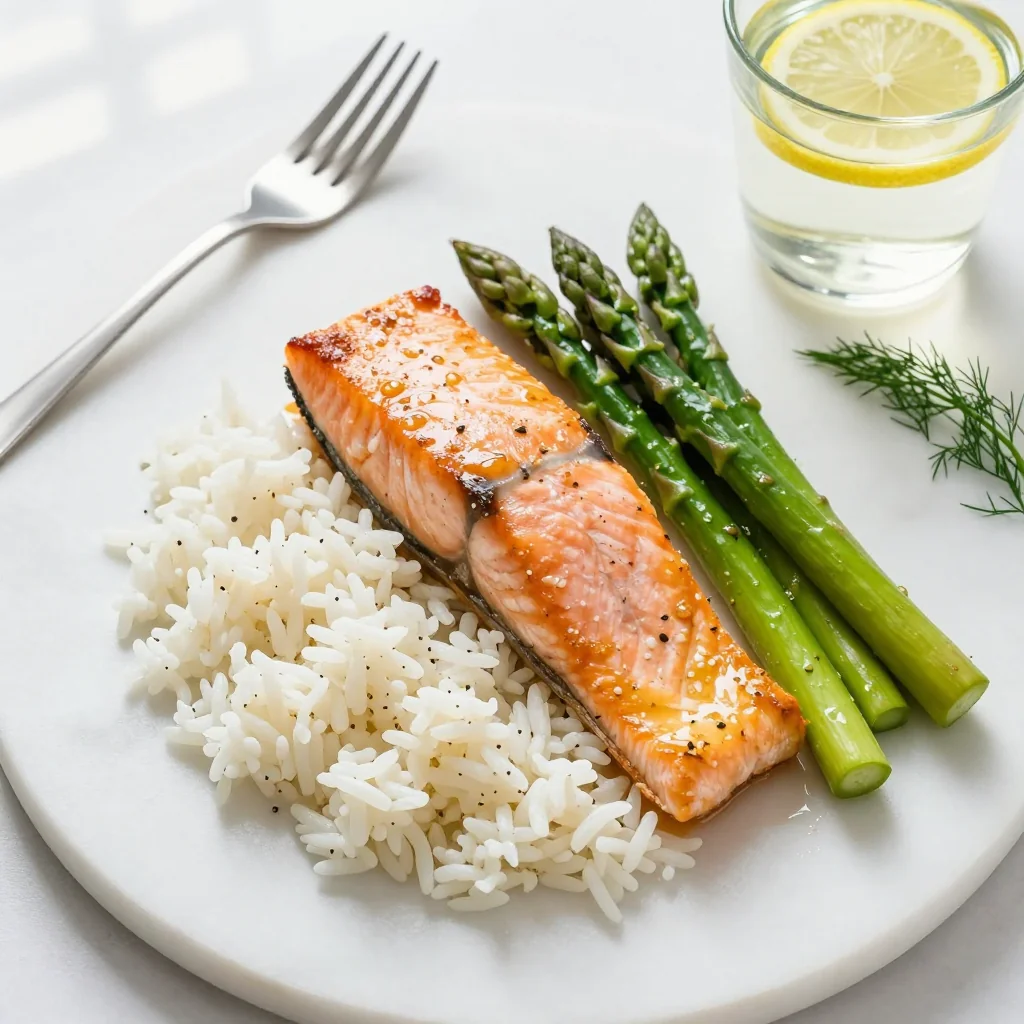
Lemon Garlic Salmon with Rice and Asparagus is a celebration of simple, coastal elegance that brings the bright flavors of the sea straight to your dinner table. The dish draws inspiration from Mediterranean coastal towns where fresh fish is paired with citrus, aromatic herbs, and crisp vegetables—a combination that has been cherished for centuries for its balance of richness and freshness. By using a high‑quality salmon fillet, the natural buttery texture of the fish is amplified, while the lemon‑garlic glaze adds a zing that cuts through the richness, creating a harmonious mouthfeel that feels both indulgent and light. The fluffy rice acts as a neutral canvas, soaking up the savory sauce, and the asparagus provides a satisfying snap and a burst of earthy green that rounds out the plate. This recipe is designed to be approachable for home cooks yet sophisticated enough to impress guests at a dinner party or a special family gathering.
I first discovered this combination on a sun‑drenched terrace in Nice, where the scent of lemon trees drifted over the sea and the chef served a perfectly seared salmon drizzled with a buttery lemon‑garlic emulsion. Since then, I have adapted the recipe for my own kitchen, tweaking the seasoning and cooking method to achieve a crisp, caramelized exterior while keeping the interior moist and flaky. This dish shines as a main course for spring and summer evenings, but its bright flavor profile also makes it a comforting weeknight dinner when you need something quick yet refined. Expect a fragrant aroma of garlic and lemon, a subtle hint of fresh herbs, and a buttery finish that lingers pleasantly on the palate. Serve it with a wedge of lemon and a sprinkle of chopped parsley for a final touch of color and freshness.
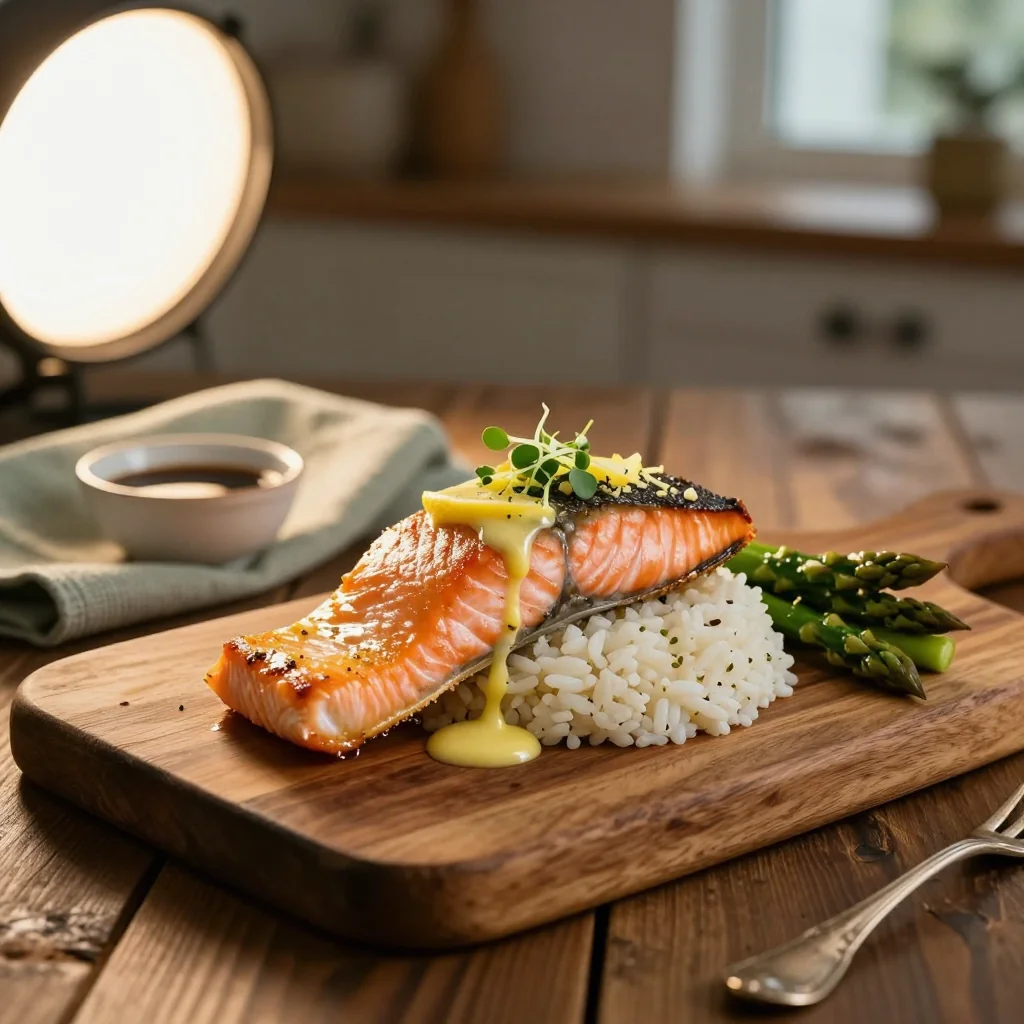
Lemon Garlic Salmon served over fluffy rice with tender asparagus spears.
Quick Overview
Difficulty: Easy to Medium
Best for: Weeknight dinner, casual entertaining, health‑focused meals
Taste profile: Bright citrus, aromatic garlic, buttery richness, subtle herbaceous notes
Diet info: Gluten‑free, pescatarian, low‑carb (swap rice for cauliflower rice)
Why This Recipe Works
The secret to perfectly cooked salmon lies in the balance between high heat for a caramelized crust and gentle cooking to keep the flesh moist. By searing the fillet skin‑side down in a hot pan, the skin renders its fat and becomes irresistibly crisp, while the flesh stays protected from direct heat. The lemon‑garlic butter sauce is finished off at a lower temperature, allowing the butter to emulsify with the lemon juice and garlic without breaking, resulting in a glossy, velvety glaze that clings to every bite. Meanwhile, the rice is cooked in a light broth infused with a splash of lemon zest, giving it a subtle citrus lift that prevents it from feeling heavy next to the rich salmon.
Each ingredient has been selected for both flavor and function. Fresh, wild‑caught salmon provides a deeper, more pronounced flavor than farmed varieties and contains higher levels of omega‑3 fatty acids. The use of both lemon zest and juice adds layers of acidity—zest for aromatic oils and juice for bright tang—while the garlic brings a savory depth that balances the citrus. Asparagus is not only seasonally appropriate but also contributes a natural bitterness that counters the richness of the butter sauce. Finally, the choice of long‑grain basmati rice ensures each grain stays separate, absorbing the sauce without becoming mushy.
- Benefit 1: Crisp skin and flaky interior thanks to the two‑stage cooking method.
- Benefit 2: Balanced flavor profile where acidity, richness, and herbaceous notes harmonize.
- Benefit 3: Nutrient‑dense meal packed with protein, omega‑3s, and vitamins A, C, and K.
- Benefit 4: Quick preparation—ready in under 30 minutes—making it ideal for busy evenings.
- Benefit 5: Versatile base (rice) that can be swapped for low‑carb alternatives without sacrificing taste.
Ingredients
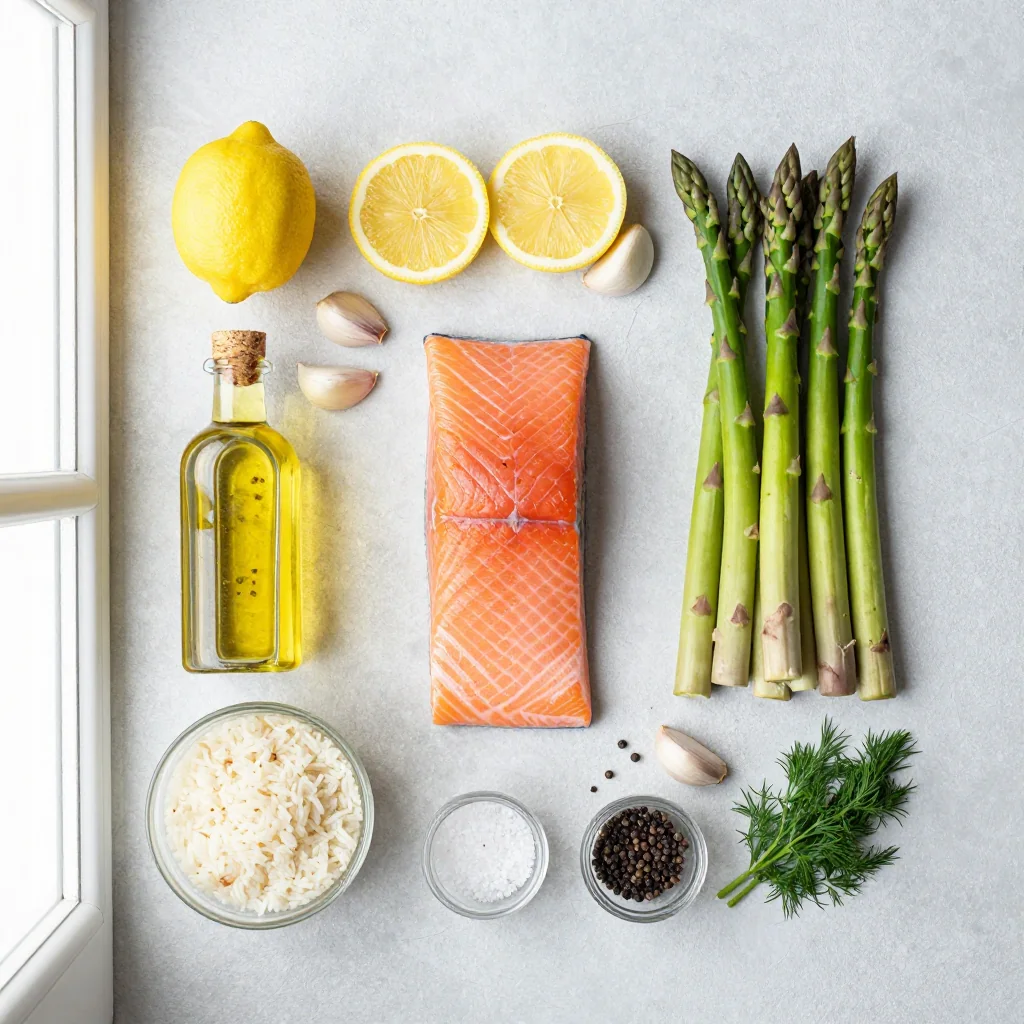
Main Ingredients
- 4 (6‑oz) salmon fillets, skin on
- 1 cup long‑grain basmati rice
- 2 cups low‑sodium chicken broth (or vegetable broth)
- 1 bunch (≈12‑15 spears) fresh asparagus, trimmed
- 2 tbsp extra‑virgin olive oil
- 1 tsp sea salt, divided
- ½ tsp freshly ground black pepper
- 1 lemon, zest and juice separated
- 2 cloves garlic, minced
- 2 tbsp unsalted butter, cut into small pieces
- 2 tbsp fresh parsley, chopped (for garnish)
For the Sauce/Seasoning
- ¼ cup dry white wine (optional, adds depth)
- 1 tsp Dijon mustard
- 1 tsp honey or maple syrup (balances acidity)
- ½ tsp crushed red pepper flakes (optional heat)
- 1 tsp dried oregano or thyme (optional herb note)
Ingredient Notes & Substitutions
When selecting salmon, look for fillets that are firm to the touch and have a vibrant pink or orange hue; wild‑caught varieties typically have a richer flavor and firmer texture compared to farmed salmon. For the best results, choose asparagus with bright green stalks and tightly closed tips—these indicate freshness and will retain their snap after cooking. The lemon should be heavy for its size, indicating a juicy interior; zest only the outermost yellow layer to avoid the bitter white pith. Use fresh garlic rather than pre‑minced to retain its pungent aroma and avoid any added preservatives.
Substitutions are straightforward: if you’re allergic to dairy, replace butter with a dairy‑free margarine or a splash of olive oil, though the sauce will lose some of its silkiness. For a lower‑carb version, swap the basmati rice for cauliflower rice or quinoa. If you prefer a milder flavor, reduce the amount of garlic or omit the red pepper flakes. In place of white wine, use a splash of chicken broth or apple cider vinegar for acidity. Finally, for a vegetarian twist, replace salmon with firm tofu or thick‑cut portobello mushrooms, adjusting cooking time accordingly.
Equipment Needed
- Large non‑stick or stainless‑steel skillet (10‑12 in)
- Medium saucepan with lid
- Cutting board and sharp chef’s knife
- Microplane or fine grater (for lemon zest)
- Measuring cups and spoons
- Wooden spoon or silicone spatula
- Plate or tray for resting cooked salmon
- Optional: kitchen timer
Step‑By‑Step Instructions
Step 1: Prepare the Ingredients
Rinse the salmon fillets under cold water and pat them dry with paper towels. Trim any uneven edges and set the fillets skin‑side down on a plate. Zest the lemon, then juice it, keeping the zest and juice separate. Mince the garlic cloves and chop the parsley. Trim the asparagus by snapping off the woody ends and cut the spears into 2‑inch pieces.
Step 2: Season the Salmon
Sprinkle both sides of each salmon fillet with ½ tsp sea salt and a pinch of black pepper. Let the seasoned fillets rest for 5 minutes at room temperature; this helps the salt penetrate the flesh and yields a more even seasoning.
Step 3: Cook the Rice
Rinse the basmati rice under cold water until the water runs clear. In a medium saucepan, combine the rice, 2 cups broth, a pinch of salt, and the lemon zest. Bring to a boil over medium‑high heat, then reduce to a low simmer, cover, and cook for 12‑15 minutes until the liquid is absorbed and the grains are tender. Remove from heat and let it sit, covered, for 5 minutes before fluffing with a fork.
Step 4: Sear the Salmon
Heat 2 tbsp olive oil in the skillet over medium‑high heat until shimmering (≈200 °C / 390 °F). Place the salmon fillets skin‑side down, pressing gently for 10 seconds to ensure even contact. Cook without moving for 4‑5 minutes, or until the skin turns deep golden brown and releases easily from the pan. Flip the fillets and cook the flesh side for an additional 2‑3 minutes, depending on thickness.
Step 5: Make the Lemon‑Garlic Butter Sauce
Reduce the heat to medium. Add the minced garlic to the pan and sauté for 30 seconds until fragrant, being careful not to let it burn. Deglaze with the white wine (if using) and let it reduce by half, about 1‑2 minutes. Stir in the Dijon mustard, honey, and lemon juice, whisking continuously. Add the butter pieces a few at a time, allowing each piece to melt before adding the next, creating a smooth emulsion. Sprinkle in red pepper flakes and dried oregano if desired.
Step 6: Cook the Asparagus
While the sauce is coming together, add the asparagus pieces to the same skillet (or a separate pan if space is limited). Toss them in the remaining butter‑garlic mixture, season with a pinch of salt and pepper, and sauté for 4‑5 minutes until bright green and just tender. The asparagus should retain a slight crunch; overcooking will cause it to become mushy.
Step 7: Combine and Finish
Return the seared salmon to the skillet, spooning the sauce over each fillet. Allow the salmon to simmer in the sauce for 1‑2 minutes, which helps the flavors meld and the fish absorb a glossy coating. Taste the sauce and adjust seasoning with additional salt, pepper, or a squeeze of fresh lemon juice if needed.
Step 8: Plate the Dish
Divide the lemon‑infused rice among four plates, creating a small well in the center. Lay a salmon fillet on top of each rice mound, then arrange the sautéed asparagus spears alongside. Drizzle any remaining sauce from the pan over the fish and rice. Garnish with chopped parsley and an extra lemon wedge for a burst of freshness.
Step 9: Rest and Serve
Allow the plated salmon to rest for 2‑3 minutes before serving. This brief resting period lets the juices redistribute, ensuring each bite is moist and flavorful. Serve immediately while the sauce is still warm and the skin remains crisp.
Step 10: Clean‑Up Tips
While the salmon rests, you can de‑glaze the skillet with a splash of water to loosen any caramelized bits, then wipe it clean with a paper towel. Soaking the skillet in warm, soapy water for a few minutes makes any stubborn residue easier to remove.
Expert Tips for Perfect Results
Tip 1 – Pat the Salmon Dry
Moisture on the surface of the fish creates steam, which prevents the skin from crisping. Use several layers of paper towel to blot the fillets until they feel dry to the touch before seasoning.
Tip 2 – Use a Hot Pan
Preheat the skillet until the oil shimmers. A properly heated pan creates an immediate sizzle, sealing the skin and preventing the fillet from sticking.
Tip 3 – Finish with Fresh Lemon Juice
Adding a splash of fresh lemon juice at the very end brightens the sauce and balances the butter’s richness. Avoid using bottled lemon juice, which can taste flat.
Tip 4 – Keep the Asparagus Crunchy
Cook asparagus just until it turns vivid green and is still slightly firm. Overcooking destroys its natural snap and releases excess water into the sauce.
Tip 5 – Use a Light Hand with Salt
Both the broth for the rice and the sauce contain sodium. Taste each component before adding extra salt to avoid an overly salty final dish.
Tip 6 – Let the Dish Rest
Allowing the plated salmon to rest for a few minutes lets the juices settle, which results in a more tender bite and prevents the sauce from soaking away too quickly.
Common Mistakes to Avoid
Overcrowding the Pan: Adding all fillets at once reduces the pan temperature, leading to soggy skin. Cook in batches if necessary.
Using Low‑Heat Butter: Adding butter too early can cause it to brown or burn, imparting a bitter taste. Introduce butter after the garlic has released its aroma.
Skipping the Rest Period: Cutting into the salmon immediately releases steam and juices, resulting in dry fish. A short rest preserves moisture.
Undercooking the Rice: Rinsed rice that isn’t cooked through leaves a hard center. Ensure the broth is fully absorbed and the rice is tender before fluffing.
Neglecting Acid Balance: Too much lemon juice can overpower the dish. Adjust the amount gradually and taste as you go.
Recipe Variations
Mediterranean Herb‑Crusted Salmon
Replace the simple salt‑pepper seasoning with a mixture of dried oregano, thyme, rosemary, and a touch of smoked paprika. Press the herb blend onto the flesh side before searing for an aromatic crust.
Spicy Cajun Salmon
Season the fillets with a Cajun spice blend and add a dash of hot sauce to the butter sauce. Serve with a side of corn‑maize rice to complement the heat.
Coconut Lime Variation
Swap the butter for coconut oil, use lime zest and juice instead of lemon, and stir in a tablespoon of shredded coconut into the rice for a tropical twist.
Vegetarian “Salmon”
Use thick slices of marinated tofu or king oyster mushroom caps, following the same searing and sauce steps. The texture mimics fish while absorbing the citrus‑garlic flavors beautifully.
How to Serve
Pair this dish with a crisp green salad dressed in a light vinaigrette of lemon juice, olive oil, and a pinch of sea salt. The acidity of the salad echoes the lemon notes in the salmon, while the fresh greens add a contrasting texture. For a more indulgent spread, serve with buttery garlic bread or a warm pita to soak up the luscious sauce.
Presentation matters: arrange the rice in a neat mound, place the salmon slightly off‑center, and fan the asparagus spears around the fish. Finish with a drizzle of any remaining sauce, a sprinkle of chopped parsley, and a lemon wedge on the side. This visual balance not only looks restaurant‑quality but also guides the diner to experience each component in harmony with every bite.
Storage & Reheating
Refrigerator Storage
Allow the leftovers to cool to room temperature (no longer than 2 hours), then transfer the salmon, rice, and asparagus into separate airtight containers. Store in the refrigerator for up to 3 days. Keep the sauce in a small jar to prevent the rice from becoming soggy.
Freezing Instructions
Salmon freezes well when wrapped tightly in plastic wrap followed by a foil layer. Place the rice and asparagus in separate freezer‑safe bags. Freeze for up to 2 months. Thaw overnight in the fridge before reheating.
Reheating
Reheat salmon gently in a skillet over low heat, adding a splash of broth or water to keep it moist, about 3‑4 minutes per side. Warm the rice in the microwave with a drizzle of water, covered, for 1‑2 minutes. Asparagus can be quickly sautéed again for 1‑2 minutes to restore its crunch.
Frequently Asked Questions
Final Thoughts
Lemon Garlic Salmon with Rice and Asparagus brings together the best of coastal cuisine in a dish that is both elegant and accessible. The combination of crisp skin, buttery citrus sauce, fragrant rice, and tender asparagus creates a symphony of textures and flavors that will satisfy even the most discerning palate. Whether you’re cooking for a weekday family dinner or a special occasion, this recipe delivers restaurant‑quality results with minimal fuss.
Give this recipe a try tonight and experience the bright, fresh taste of the sea in your own kitchen. We’d love to hear how your version turned out—share your photos, tweaks, or any questions in the comments below. Happy cooking!
Lemon Garlic Salmon with Rice and Asparagus
A bright, buttery salmon dish paired with fluffy lemon‑infused rice and crisp asparagus.
Ingredients
- 4 fillets (6‑oz each) salmon, skin on
- 1 cup long‑grain basmati rice
- 2 cups low‑sodium chicken broth
- 1 bunch asparagus, trimmed
- 2 tbsp extra‑virgin olive oil
- 1 tsp sea salt, divided
- ½ tsp black pepper
- 1 lemon (zest & juice)
- 2 cloves garlic, minced
- 2 tbsp unsalted butter, cubed
- ¼ cup dry white wine (optional)
- 1 tsp Dijon mustard
- 1 tsp honey or maple syrup
Instructions
- Pat salmon dry, season with salt and pepper, and set aside.
- Rinse rice, combine with broth, lemon zest, and a pinch of salt; bring to boil, then simmer 12‑15 min.
- Heat olive oil in a skillet over medium‑high heat; sear salmon skin‑side down 4‑5 min, then flip 2‑3 min.
- Remove salmon; add minced garlic, sauté 30 sec, deglaze with wine, reduce, then stir in mustard, honey, lemon juice.
- Whisk in butter pieces until sauce emulsifies; add red pepper flakes if using.
- Sauté asparagus in the same pan for 4‑5 min until bright green and crisp.
- Return salmon to pan, spoon sauce over, simmer 1‑2 min.
- Plate rice, top with salmon, arrange asparagus, drizzle sauce, garnish with parsley and lemon wedges.
- Let rest 2‑3 min before serving.
- Store leftovers in airtight containers; reheat gently.
Chef's Notes
- For extra crispness, press the salmon skin with a spatula during the first 30 seconds of searing.
- Adjust the sauce thickness by adding a splash of broth if it becomes too thick after reducing.
- Use a microplane for lemon zest to capture aromatic oils without bitterness.
420
35 g
38 g
16 g