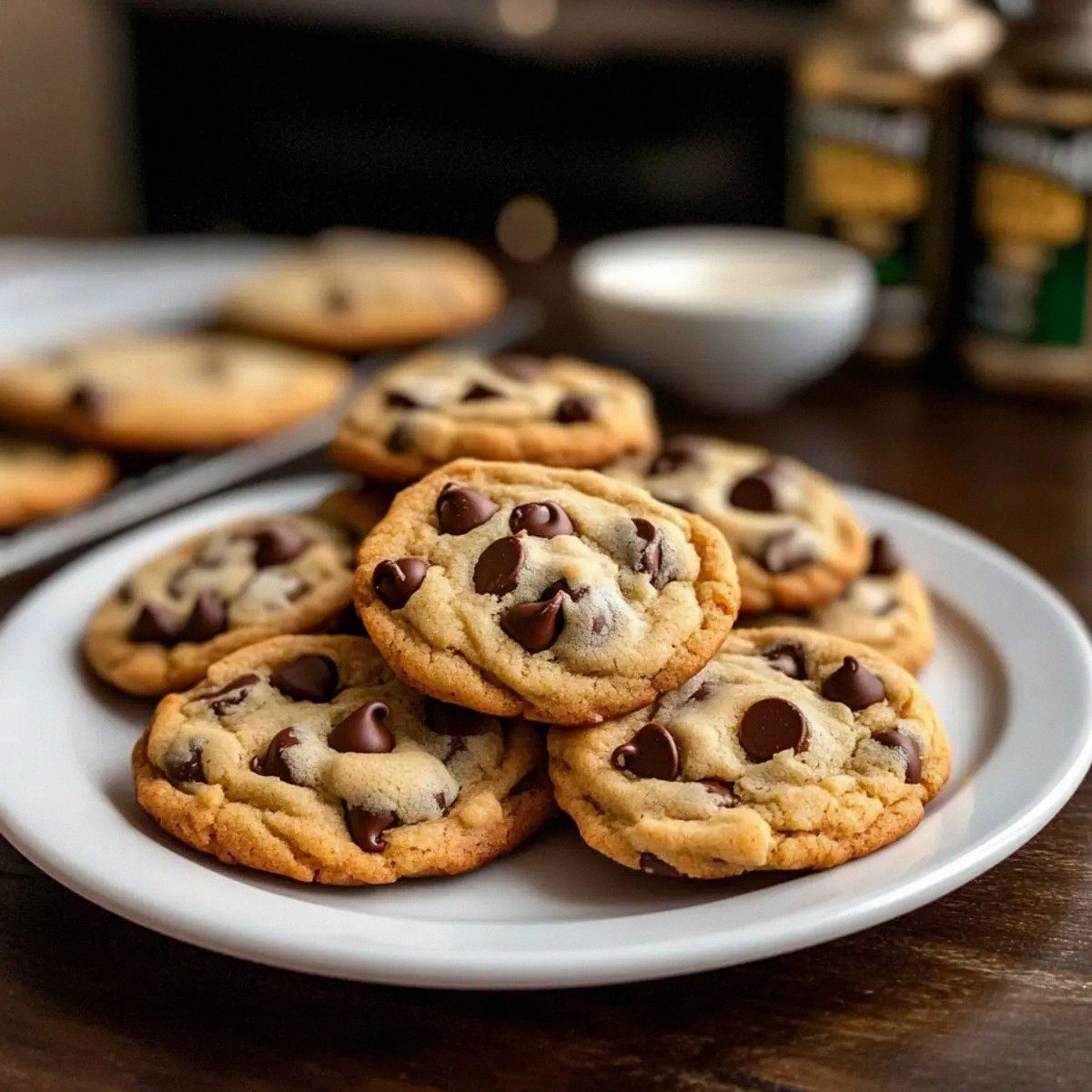
I was in the middle of a rainy Saturday night, scrolling through endless cookie recipes, when my roommate dared me to bake something that would make us both forget the thunder outside. I scoffed, grabbed a bottle of Baileys, and thought, “If I can’t beat the storm, I’ll drown it in Irish cream.” The kitchen filled with the buttery scent of melted butter and the warm, caramelized whisper of sugar as I creamed them together, and I swear the thunder paused for a second, just to listen. That moment was the birth of the ultimate cookie—soft, boozy, and studded with chocolate chips that melt like tiny suns on your tongue.
Imagine the first bite: the cookie’s edge cracks with a delicate snap, giving way to a chewy center that’s as smooth as a silk scarf dipped in midnight. The Baileys doesn’t just add flavor; it weaves through the dough like a secret lover, leaving a lingering kiss of vanilla, cocoa, and a whisper of whiskey. The chocolate chips, generous and glossy, burst with molten richness, creating a contrast that’s both comforting and exhilarating. This isn’t just a cookie; it’s a full‑on sensory experience that makes you feel like you’ve stumbled into a cozy Irish pub without leaving your kitchen.
Most cookie recipes get this completely wrong—they either drown the dough in too much liquid, making it spread like a sad pancake, or they under‑sweeten, leaving you with a bland bite that feels more like a promise than a payoff. I’ve tried the “classic” versions, the “quick” shortcuts, and even the “healthy” adaptations, and each one fell short of the dreamy texture I was chasing. That’s why I’m thrilled to share this version, which balances the richness of Baileys with just the right amount of butter and sugar, creating a cookie that’s crisp on the edges yet melt‑in‑your‑mouth soft inside. I dare you to taste this and not go back for seconds.
Okay, ready for the game‑changer? I’m about to reveal a technique that most bakers overlook: chilling the dough for exactly 45 minutes after the first mix. This short rest lets the flour fully hydrate, the butter firm up, and the Baileys meld into the dough, resulting in a cookie that spreads just enough to get those golden edges without turning into a flat disc. Let me walk you through every single step — by the end, you’ll wonder how you ever made it any other way.
What Makes This Version Stand Out
- Flavor Fusion: The Baileys adds a luxurious, slightly boozy depth that pairs perfectly with the sweet chocolate, creating a taste that’s both indulgent and sophisticated.
- Texture Harmony: A crisp, caramelized edge meets a chewy, almost cake‑like center, delivering a mouthfeel that’s rare in ordinary chocolate chip cookies.
- Simplicity: With just nine pantry staples and a 45‑minute chill, this recipe is straightforward enough for beginners yet rewarding for seasoned bakers.
- Unique Ingredient: Baileys isn’t just a flavor; it’s a moisture regulator, ensuring the cookies stay soft for days without becoming gummy.
- Crowd‑Pleaser: I’ll be honest — I ate half the batch before anyone else got to try it, and the look on my friends’ faces when they tasted it was priceless.
- Ingredient Quality: Using real unsalted butter and high‑quality chocolate chips makes a world of difference in flavor intensity.
- Cooking Method: The chill‑then‑bake technique prevents over‑spreading and locks in that coveted chewy interior.
- Make‑Ahead Potential: These cookies freeze beautifully, so you can bake a batch now and enjoy them all month long.
Inside the Ingredient List
The Flavor Base
Unsalted butter is the backbone of any good cookie. It provides the richness and creates that tender crumb we crave. If you substitute with margarine, you’ll lose the buttery aroma and the texture will feel greasy. I recommend using European‑style butter for its higher fat content, which yields a richer flavor.
Granulated sugar contributes crispness and helps the cookie spread just enough to get those golden edges. It also caramelizes during baking, adding a subtle toffee note. For a deeper flavor, you can swap half of it for demerara sugar, but keep the total volume the same.
Brown sugar, with its molasses undertones, introduces moisture and a warm, earthy sweetness that balances the Baileys. Skipping it will make the cookies too flat and lose that soft interior. If you’re avoiding refined sugars, try coconut sugar; the flavor will shift slightly toward caramel.
The Moisture Crew
Baileys Irish Cream is the star of the show. Its blend of Irish whiskey, cream, and cocoa powder infuses the dough with a silky, boozy undertone that’s unmistakable. Too much liquid can cause spreading, so the precise ½ cup measurement is crucial. If you’re allergic to dairy, a non‑dairy Irish‑cream liqueur works, but the texture will be a touch less creamy.
A large egg acts as an emulsifier, binding the butter and sugars while adding lift. It also contributes to the cookie’s structure, preventing it from crumbling apart. If you’re vegan, a flax egg (1 tbsp ground flaxseed + 3 tbsp water) can replace it, though the texture will be slightly denser.
The Structure Squad
All‑purpose flour provides the framework that holds everything together. The 2‑cup amount ensures the dough isn’t too wet, which would lead to flat, cakey cookies. For a chewier result, you can substitute half the flour with bread flour, which has higher protein.
Baking soda is the leavening agent that creates a subtle rise and helps the cookies spread just enough. Too much will make them overly puffy; too little and they’ll be dense. Always sift it with the flour to avoid clumps.
Salt amplifies all the flavors, cutting through the sweetness and highlighting the Baileys. A half‑teaspoon is enough; more will make the cookies taste briny, less will leave them flat.
The Final Flourish
Chocolate chips are the finishing touch, delivering pockets of molten chocolate that contrast beautifully with the creamy dough. Use semi‑sweet or dark chips for a richer flavor profile. If you prefer a different texture, try a mix of chocolate chunks and mini chips.
Everything's prepped? Good. Let's get into the real action…
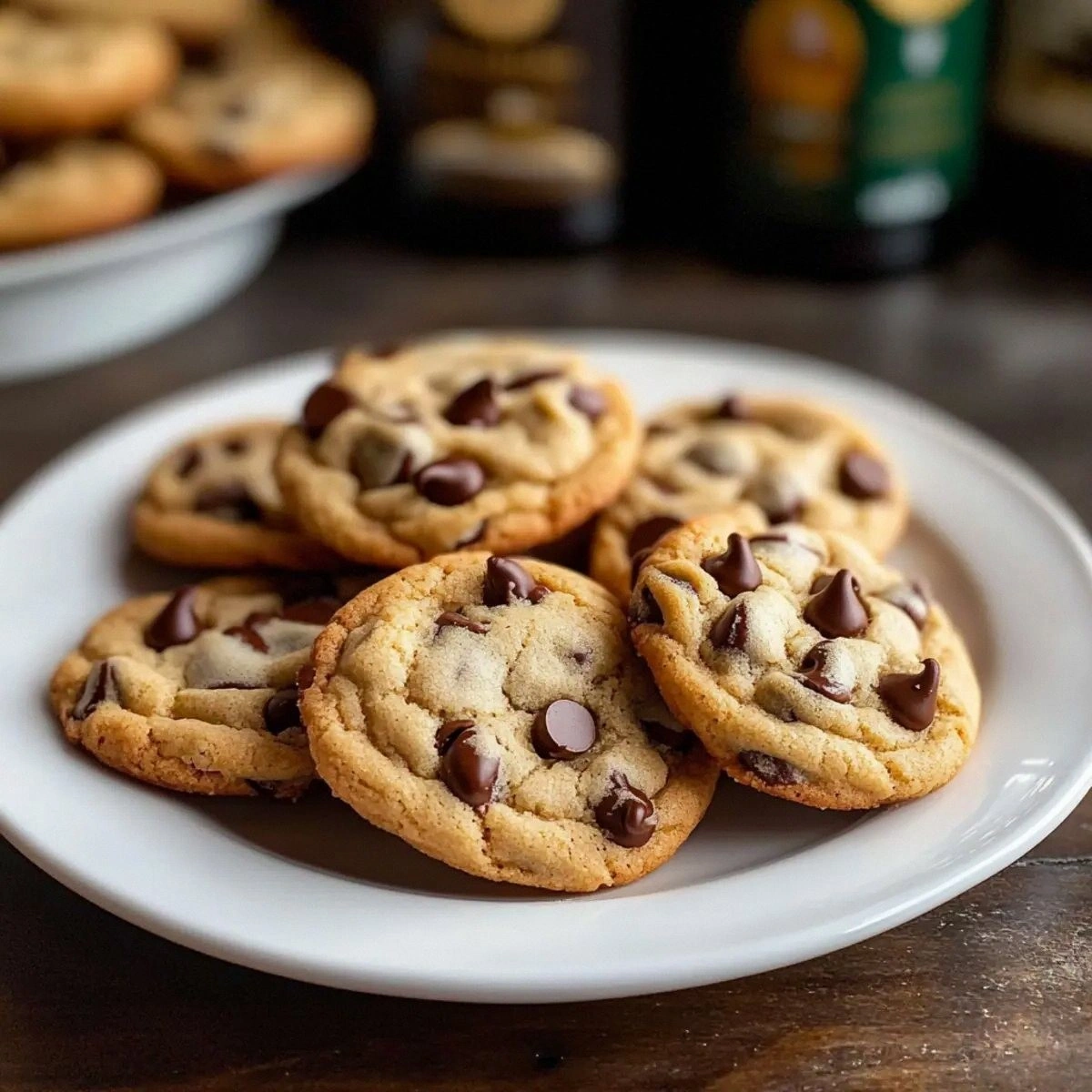
The Method — Step by Step
- Preheat your oven to 350°F (175°C) and line two baking sheets with parchment paper. While the oven warms, take a moment to appreciate the scent of butter melting in a large mixing bowl—it's like a warm hug for your kitchen. This step is the foundation; a properly heated oven ensures even browning and prevents the cookies from spreading too quickly. Kitchen Hack: Place a cooling rack on the baking sheet; the cookies will bake more evenly and stay crisp on the bottom.
- In the bowl of a stand mixer, cream together 1 cup of unsalted butter, ¾ cup of granulated sugar, and ¾ cup of brown sugar until the mixture is light, fluffy, and pale yellow. This should take about 3‑4 minutes on medium speed—listen for the soft whirring sound that signals the sugars are fully incorporated. The mixture should look like a cloud of sweet perfume. Pro tip: Scrape down the sides of the bowl halfway through to ensure uniform creaming.
- Add ½ cup of Baileys Irish Cream and the large egg to the creamed butter. Beat on low speed until just combined; you’ll hear a subtle “whoosh” as the liquid integrates. The dough will look slightly glossy and a shade lighter. Watch Out: Over‑mixing at this stage can develop gluten, leading to tougher cookies. Stop as soon as the egg is fully incorporated.
- In a separate bowl, whisk together 2 cups of all‑purpose flour, 1 teaspoon baking soda, and ½ teaspoon salt. The dry mixture should be evenly speckled with the leavening agents, creating a uniform “snowfall” effect. This step is crucial for even distribution of the soda, which prevents any bitter aftertaste.
- Gradually add the dry ingredients to the wet mixture, mixing on low speed until just combined. The dough will come together in soft, slightly sticky clumps—this is exactly what we want. Remember: Stop mixing the moment you see no dry flour streaks; over‑mixing will make the cookies dense.
- Fold in the 2 cups of chocolate chips using a rubber spatula. The chips should be evenly dispersed, each bite promising a burst of molten chocolate. Take a moment to admire the glossy specks; they’re the promise of pure indulgence.
- Cover the bowl with plastic wrap and refrigerate the dough for 45 minutes. This chill time is pure magic: it firms the butter, lets the flour hydrate, and lets the Baileys flavor fully permeate the dough. Kitchen Hack: If you’re in a hurry, place the dough in a shallow metal pan and chill in the freezer for 20 minutes; just don’t forget it!
- After chilling, scoop the dough with a medium cookie scoop (about 2 tablespoons) and place the balls onto the prepared baking sheets, spacing them 2 inches apart. The dough should be firm enough that the balls hold their shape, but still soft enough to spread slightly. Pro tip: Lightly dust the scoop with flour to prevent sticking.
- Bake for 12‑14 minutes, or until the edges turn a light golden brown while the centers remain soft. You’ll see the cookies puff up and the chocolate chips start to melt, creating a glossy surface. The scent at this stage is intoxicating—imagine a bakery on a rainy day.
- Remove the cookies from the oven and let them cool on the sheet for 3 minutes before transferring to a wire rack. This brief rest lets the cookies set, preventing them from breaking apart. As they cool, you’ll notice the edges firm up while the centers stay chewy. Serve warm for the ultimate melt‑in‑your‑mouth experience. That's it — you did it. But hold on, I've got a few more tricks that'll take this to another level…
Insider Tricks for Flawless Results
The Temperature Rule Nobody Follows
Always start with room‑temperature butter, but once it’s creamed, chill the entire dough. This dual‑temperature approach gives you a cookie that spreads just enough to get those coveted crispy edges without turning into a flat pancake. I once tried skipping the chill and ended up with a cookie that resembled a soggy biscuit—never again. Trust the chill; it’s the secret weapon that separates good from unforgettable.
Why Your Nose Knows Best
When the cookies are in the oven, trust the aroma as your guide. Around the 10‑minute mark, you’ll smell a sweet, buttery caramel that tells you the edges are beginning to brown. If the scent turns too nutty or burnt, pull them out a minute early. Your nose is a more reliable timer than any kitchen gadget.
The 5‑Minute Rest That Changes Everything
After you transfer the cookies to the wire rack, let them sit untouched for at least five minutes. This rest allows the interior to finish cooking from residual heat, ensuring a tender crumb. Skipping this step leads to a cookie that feels underbaked in the middle, even if the edges look perfect.
The Chocolate Chip Distribution Trick
If you want every bite to guarantee chocolate, toss the chips with a tiny pinch of flour before folding them in. The flour coats each chip, preventing them from sinking to the bottom of the dough during baking. A friend tried skipping this and ended up with a cookie that looked perfect but had a chocolate‑free center—lesson learned.
The Final Light Dust
Just before serving, give the cookies a light dusting of flaky sea salt. The tiny crystals accentuate the sweetness and bring out the Baileys’s subtle whiskey notes. It’s a small touch that turns a good cookie into a restaurant‑level dessert.
Creative Twists and Variations
This recipe is a playground. Here are some of my favorite ways to switch things up:
Irish Coffee Infusion
Replace half of the Baileys with strong brewed espresso and add a pinch of instant coffee granules. The result is a cookie that tastes like an Irish coffee in bite‑size form—perfect for morning treats or an after‑dinner pick‑me‑up.
Nutty Delight
Stir in ½ cup of toasted chopped hazelnuts or pecans along with the chocolate chips. The nuts add a crunchy contrast and a buttery depth that pairs wonderfully with the creaminess of Baileys.
White Chocolate & Raspberry
Swap the semi‑sweet chocolate chips for white chocolate chips and fold in ¼ cup of freeze‑dried raspberry pieces. The tartness of the berries cuts through the richness, creating a sophisticated flavor profile.
Spiced Holiday Edition
Add ½ teaspoon of ground cinnamon, a pinch of ground nutmeg, and a dash of clove to the dry ingredients. This warm spice blend turns the cookies into a festive treat that’s perfect for holiday gatherings.
Gluten‑Free Adaptation
Use a 1‑to‑1 gluten‑free flour blend in place of all‑purpose flour, and add a tablespoon of xanthan gum to mimic the elasticity of gluten. The texture remains tender, and the flavor stays true to the original.
Storing and Bringing It Back to Life
Fridge Storage
Place cooled cookies in an airtight container with a slice of bread on top; the bread will keep them soft for up to 5 days. The moisture from the bread prevents the cookies from drying out, while the container shields them from fridge odors.
Freezer Friendly
Layer cookies between parchment sheets and seal them in a freezer‑safe zip‑top bag. They’ll keep for up to 3 months. When you’re ready to enjoy, let them thaw at room temperature for 15 minutes, then give them a quick 30‑second blast in the oven at 300°F to revive the crisp edges.
Best Reheating Method
To bring a refrigerated cookie back to its fresh‑out‑of‑the‑oven glory, place it on a microwave‑safe plate, splash a tiny drop of water (about a teaspoon) onto the plate, and microwave for 10‑12 seconds. The steam revives the interior while the outer edge stays slightly crisp.