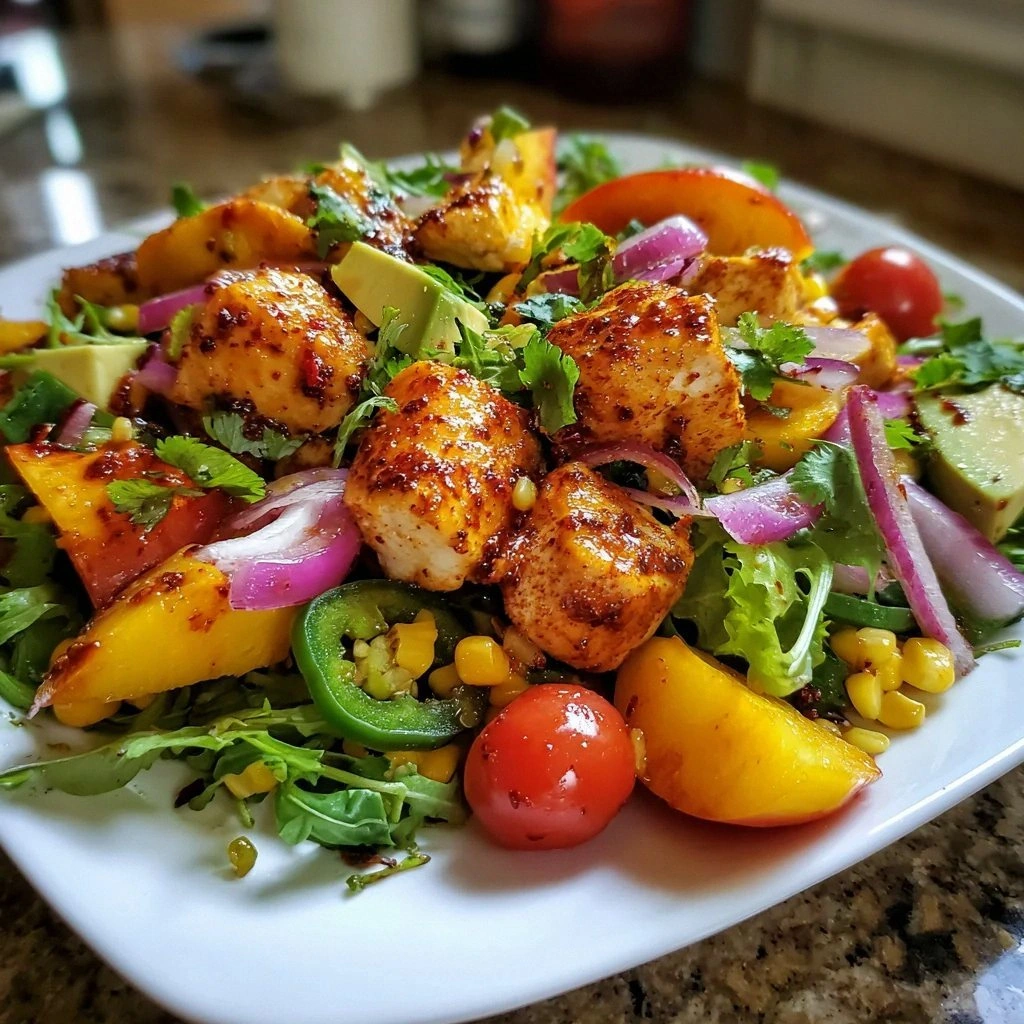
Garlic Parmesan Roasted Asparagus with Lemon is a celebration of spring’s most vibrant vegetable, elevated by a luxurious coating of fragrant garlic, nutty Parmesan, and a bright splash of lemon. This dish traces its roots to the Mediterranean coast, where simple, sun‑kissed vegetables are often finished with a drizzle of citrus and a generous dusting of aged cheese. The roasting process intensifies the natural sweetness of the asparagus while creating a caramelized, slightly crisp exterior that perfectly balances the creamy, savory cheese. The addition of fresh lemon zest and juice cuts through the richness, delivering a refreshing zing that awakens the palate. Whether served as a side or a light main, this recipe embodies the essence of seasonal cooking—fresh, flavorful, and effortlessly elegant.
I first discovered this recipe during a weekend getaway in the Tuscan countryside, where a local chef served a similar preparation alongside grilled fish. The aroma of garlic mingling with melted Parmesan and the bright citrus note instantly became a personal favorite, and I’ve been recreating it ever since for family gatherings, brunches, and even as a sophisticated accompaniment to steak night. The flavor profile is a harmonious blend of earthy green notes, savory umami, and a clean, citrusy finish that makes it universally appealing. It pairs beautifully with roasted chicken, seared salmon, or a hearty grain bowl, and it can also shine on its own as a wholesome, low‑carb main course. The dish’s visual appeal—vibrant green spears glistening with a golden‑brown crust—adds a touch of restaurant‑level polish to any table.

A golden‑crusted asparagus spears tossed with garlic, Parmesan, and lemon.
Quick Overview
Difficulty: Easy
Best for: Weeknight dinners, brunches, holiday sides, vegetarian mains
Taste profile: Savory, nutty, garlicky with a bright citrus finish
Diet info: Vegetarian, gluten‑free, low‑carb; can be made vegan by substituting nutritional yeast for Parmesan
Why This Recipe Works
The magic of this dish lies in the science of dry‑heat roasting. As the asparagus spears roast at a high temperature, the Maillard reaction kicks in, creating complex flavor compounds that give the tips a deep, caramelized flavor and a satisfying crunch. At the same time, the interior stays tender and moist, preserving the vegetable’s natural juiciness. Adding a thin layer of olive oil before roasting ensures even heat transfer and prevents the spears from drying out, while also acting as a carrier for the garlic and lemon aromatics.
The choice of ingredients is intentional: fresh garlic provides pungent depth, freshly grated Parmigiano‑Reggiano contributes umami and a subtle grainy texture, and lemon zest offers volatile oils that brighten the dish instantly. The lemon juice added at the end deglazes any caramelized bits on the pan, creating a glossy coating that clings to every spear. This version improves on simpler roasted asparagus recipes by layering flavor at each step—first the oil and seasonings, then the cheese during the final minutes of roasting, and finally the lemon finish—resulting in a more complex, restaurant‑quality experience.
- Benefit 1: Maximum flavor development – The high‑heat roast creates a nutty, caramelized exterior while retaining crisp‑tender interiors.
- Benefit 2: Balanced nutrition – Asparagus is low in calories but high in fiber, folate, and antioxidants; Parmesan adds protein and calcium.
- Benefit 3: Quick preparation – From start to finish it takes less than 30 minutes, making it ideal for busy evenings.
- Benefit 4: Versatile serving – Works as a side, a light main, or a component in salads, grain bowls, and pasta dishes.
- Benefit 5: Elegant presentation – The contrast of bright green spears with golden cheese and lemon zest looks stunning on any plate.
Ingredients

Main Ingredients
- 1 lb (450 g) fresh asparagus spears, trimmed
- 2 Tbsp extra‑virgin olive oil
- 3 cloves garlic, minced
- ½ cup (50 g) freshly grated Parmigiano‑Reggiano
- 1 Tbsp lemon zest (about 1 large lemon)
- 1 Tbsp fresh lemon juice
- ½ tsp sea salt, or to taste
- ¼ tsp freshly ground black pepper
- Optional: pinch of red‑pepper flakes for heat
For the Sauce/Seasoning
- 2 Tbsp unsalted butter, melted
- 1 Tbsp Dijon mustard
- 1 Tbsp honey or maple syrup (optional, for a subtle sweetness)
- 1 tsp dried thyme leaves
- 1 tsp smoked paprika (adds depth and a hint of smokiness)
- 1 Tbsp finely chopped fresh parsley, for garnish
- Additional grated Parmesan for serving, if desired
Ingredient Notes & Substitutions
When selecting asparagus, look for firm, bright green spears with closed tips; the thicker the stalk, the more robust the flavor, but be sure to snap off any woody ends. Fresh garlic should be firm and plump; avoid any that have begun to sprout. For the Parmesan, choose a true Parmigiano‑Reggiano with a deep, nutty aroma—pre‑grated versions often contain anti‑caking agents that can affect texture. Lemon zest is most aromatic when taken from unwaxed, organic lemons; a microplane yields the finest, most fragrant zest.
Substitutions are straightforward: if you’re avoiding dairy, replace the Parmesan with ¼ cup nutritional yeast and the butter with an equal amount of olive oil. For a gluten‑free version, all ingredients are already safe, but ensure any Dijon mustard you use is certified gluten‑free. If fresh asparagus is out of season, frozen spears can be used, but be sure to thaw and pat them dry to prevent excess moisture during roasting. For a vegan twist, swap the honey for agave syrup and use a plant‑based Parmesan alternative.
Equipment Needed
- Large rimmed baking sheet or roasting pan
- Silicone baking mat or parchment paper
- Sharp chef’s knife and cutting board
- Microplane or fine grater for lemon zest and Parmesan
- Small mixing bowl
- Measuring spoons and cups
- Instant‑read thermometer (optional, for precise oven temperature)
- Serving platter
Step-by-Step Instructions
Step 1: Preheat the Oven
Set your oven to 425 °F (220 °C) and allow it to fully preheat for at least 10 minutes. A hot oven ensures the asparagus spears begin caramelizing immediately, which locks in flavor and creates that coveted crispy edge. If you have a convection setting, use it to promote even browning, but reduce the temperature by 10 °C to prevent over‑drying.
Step 2: Prepare the Asparagus
Rinse the asparagus under cold water and pat dry with a clean kitchen towel. Trim the woody ends by gently bending each spear; it will naturally snap at the point where the tender part begins. Place the spears in a large bowl, drizzle with olive oil, and toss to coat evenly. This coating helps the seasonings adhere and promotes uniform browning.
Step 3: Mix Garlic and Seasonings
In a small bowl, combine the minced garlic, sea salt, black pepper, and optional red‑pepper flakes. Add the melted butter, Dijon mustard, honey (if using), dried thyme, and smoked paprika. Whisk until the mixture forms a smooth, glossy sauce. This blend will caramelize slightly during roasting, adding depth and a subtle sweet‑smoky note.
Step 4: Coat the Asparagus
Pour the garlic‑butter mixture over the oiled asparagus and toss gently to ensure every spear is evenly coated. Spread the spears in a single layer on the prepared baking sheet, spacing them about 1 cm apart. Overcrowding will cause steaming rather than roasting, resulting in soggy spears.
Step 5: Roast the Asparagus
Place the baking sheet in the preheated oven and roast for 12‑15 minutes, turning the spears halfway through. You’ll know they’re done when the tips turn golden‑brown and the stalks are tender when pierced with a fork. The high heat creates a caramelized crust while preserving the vivid green color of the interior.
Step 6: Add Parmesan and Lemon Zest
Remove the pan from the oven and immediately sprinkle the grated Parmigiano‑Reggiano over the hot spears. The residual heat will melt the cheese, forming a thin, savory crust. Follow with the lemon zest, allowing the citrus oils to bloom instantly, infusing the dish with a bright, aromatic lift.
Step 7: Finish with Lemon Juice
Drizzle the fresh lemon juice evenly across the asparagus. The acidity will deglaze any caramelized bits stuck to the pan, creating a glossy finish that clings to each spear. Give the pan a gentle toss to distribute the juice without dislodging the cheese.
Step 8: Garnish and Rest
Transfer the roasted asparagus to a serving platter. Sprinkle the chopped fresh parsley over the top for a pop of color and a hint of herbaceous freshness. Allow the dish to rest for 2‑3 minutes; this short pause lets the flavors meld and the cheese to set slightly, making for a cleaner presentation.
Step 9: Optional Extra Crunch
For added texture, toast a handful of sliced almonds or pine nuts in a dry skillet over medium heat for 3‑4 minutes until golden. Scatter them over the asparagus just before serving. The nuts contribute a buttery crunch that complements the tender spears and cheesy coating.
Step 10: Taste and Adjust
Give the dish a quick taste. If needed, finish with a pinch more sea salt or a squeeze of additional lemon juice for extra brightness. Remember that the Parmesan already provides saltiness, so adjust carefully.
Step 11: Serve Immediately
Serve the asparagus hot from the oven for the best texture. It pairs wonderfully with a glass of crisp white wine such as Sauvignon Blanc or a light rosé. If you prefer a cooler plate, let it sit for a few minutes, but avoid letting it sit too long as the cheese may harden.
Step 12: Store Leftovers Properly
If any spears remain, allow them to cool completely before transferring to an airtight container. Store in the refrigerator for up to 3 days. Reheat gently in a 300 °F (150 °C) oven for 5‑7 minutes to revive the crispness, or enjoy cold as a refreshing salad topping.
Expert Tips for Perfect Results
Tip 1: Use Uniform Spear Sizes
Cutting larger spears in half lengthwise ensures uniform cooking. This prevents thinner spears from burning while thicker ones remain undercooked, giving you a consistent bite every time.
Tip 2: Dry the Asparagus Thoroughly
Moisture is the enemy of crispness. After washing, pat the spears dry with a clean kitchen towel or spin them in a salad‑spinner. This step helps the oil and seasonings adhere without steaming the spears.
Tip 3: Add Cheese at the End
Sprinkle the Parmesan during the last 2‑3 minutes of roasting. This prevents the cheese from burning while still allowing it to melt and form a flavorful crust.
Tip 4: Finish with Fresh Lemon
Adding lemon zest before roasting and lemon juice after ensures layered citrus notes. The zest provides aromatic oils that survive the heat, while the juice adds a bright, fresh acidity at the end.
Tip 5: Use a Lightly Oiled Baking Mat
A silicone baking mat reduces the need for excess oil, promotes even browning, and makes cleanup effortless. It also prevents the spears from sticking, preserving their delicate shape.
Tip 6: Rest Before Serving
Allow the roasted asparagus to sit for a couple of minutes after removing from the oven. This short rest lets the cheese set slightly and the lemon juices to be fully absorbed, resulting in a cohesive flavor profile.
Common Mistakes to Avoid
Overcrowding the pan: Spear crowding creates steam, leading to soggy asparagus. Use two baking sheets if necessary.
Skipping the lemon zest: Without zest, the dish loses its bright aromatic lift. Add zest before roasting for maximum flavor.
Using pre‑grated Parmesan: Pre‑grated cheese often contains anti‑caking agents that prevent proper melting. Freshly grate for a smoother crust.
Under‑seasoning: Asparagus has a mild flavor; insufficient salt can make the dish taste flat. Taste and adjust before the final lemon drizzle.
Leaving the spears whole and thick: Very thick stalks may remain tough. Trim or halve them for even cooking.
Recipe Variations
Spicy Chili‑Garlic Asparagus
Add ½ tsp crushed red‑pepper flakes to the garlic‑butter mixture and finish with a drizzle of sriracha after roasting. The heat pairs beautifully with the citrus brightness.
Herb‑Infused Asparagus
Substitute the thyme with fresh rosemary and add a tablespoon of chopped fresh basil after roasting. The herbaceous notes create a Mediterranean vibe that complements grilled lamb or chicken.
Vegan “Parmesan” Asparagus
Replace Parmesan with ¼ cup nutritional yeast and use olive oil in place of butter. The dish retains its cheesy umami while staying completely plant‑based.
Asparagus & Potato Duo
Toss diced baby potatoes with the asparagus on the same sheet, coating both with the same garlic‑butter sauce. The potatoes add heartiness, turning the side into a satisfying main for a light dinner.
How to Serve
This roasted asparagus shines alongside grilled salmon or pan‑seared chicken breasts, where the citrusy, cheesy notes complement the protein’s richness. Pair it with a light quinoa salad tossed in a lemon‑olive oil vinaigrette for a complete, balanced plate. For a vegetarian feast, serve the spears atop a bed of creamy polenta or alongside a warm lentil stew; the bright flavors cut through the earthiness of the legumes.
Presentation matters: arrange the spears in a fan on a white platter, drizzle a final glimmer of lemon juice, and sprinkle extra grated Parmesan and a few parsley leaves for color contrast. A wedge of lemon on the side invites guests to add more acidity to taste. If you’re serving at a formal dinner, place the asparagus on a long rectangular board, garnish with edible flowers, and accompany with a glass of crisp, mineral‑forward white wine for an elevated experience.
Storage & Reheating
Refrigerator Storage
Transfer cooled asparagus to an airtight container or a zip‑top bag. Store in the refrigerator for up to 3 days. To keep the spears from becoming soggy, place a paper towel inside the container to absorb excess moisture.
Freezing Instructions
While the texture changes slightly after freezing, you can freeze the roasted spears for up to 2 months. Lay them on a parchment‑lined tray to flash‑freeze, then move to a freezer‑safe bag. Thaw in the refrigerator overnight before reheating.
Reheating
Reheat in a preheated 300 °F (150 °C) oven for 5‑7 minutes, or until warmed through. For a quicker option, sauté in a hot skillet with a splash of olive oil for 2‑3 minutes, allowing the cheese to melt again and the spears to regain a slight crisp.
Frequently Asked Questions
Final Thoughts
Garlic Parmesan Roasted Asparagus with Lemon is a perfect example of how a few high‑quality ingredients, thoughtfully combined, can transform a humble vegetable into a star‑worthy dish. The technique of roasting, the layering of garlic, Parmesan, and lemon, and the careful timing of each step ensure a flavor‑rich, texture‑balanced result that will impress both family members and guests alike.
Give this recipe a try tonight, and feel free to experiment with the suggested variations or your own creative twists. We love hearing about your experiences, so leave a comment below with photos, tweaks, or any questions you might have. Happy cooking!
Garlic Parmesan Roasted Asparagus with Lemon
Crispy roasted asparagus spears tossed in garlic‑Parmesan sauce with a bright lemon finish.
Ingredients
- 1 lb fresh asparagus spears, trimmed
- 2 Tbsp olive oil
- 3 cloves garlic, minced
- ½ cup grated Parmigiano‑Reggiano
- 1 Tbsp lemon zest
- 1 Tbsp lemon juice
- ½ tsp sea salt
- ¼ tsp black pepper
- 2 Tbsp butter, melted
- 1 Tbsp Dijon mustard
- 1 tsp dried thyme
- 1 tsp smoked paprika
- 1 Tbsp fresh parsley, chopped (optional)
Instructions
- Preheat oven to 425 °F (220 °C).
- Trim and dry asparagus; toss with olive oil.
- Mix garlic, salt, pepper, butter, mustard, thyme, and paprika.
- Coat asparagus with the mixture and spread on a baking sheet.
- Roast 12‑15 min, turning halfway, until tips are golden.
- Sprinkle Parmesan and lemon zest; let melt.
- Drizzle lemon juice, garnish with parsley, and rest 2 min.
- Serve hot, optionally topped with toasted nuts.
Chef's Notes
For extra crunch, add toasted almonds just before serving. Adjust lemon intensity to taste; a little extra juice brightens the dish after reheating.