I was standing in my kitchen, surrounded by a cloud of burnt sugar and a half‑collapsed sponge that looked more like a sad pancake than a celebration cake. I had just tried to impress a friend with a “quick lemon cake” and ended up with something that could have been used as a doorstop. That disaster sparked a dare: “Make a lemon cake that actually tastes like a sip of Limoncello on a sunny Amalfi terrace.” I accepted, and the result is the Limondello Mascarpone Cake you’re about to read. This version is the product of countless trial runs, a few kitchen meltdowns, and a lot of love for the bright, citrusy punch of Limoncello paired with the silkiness of mascarpone.
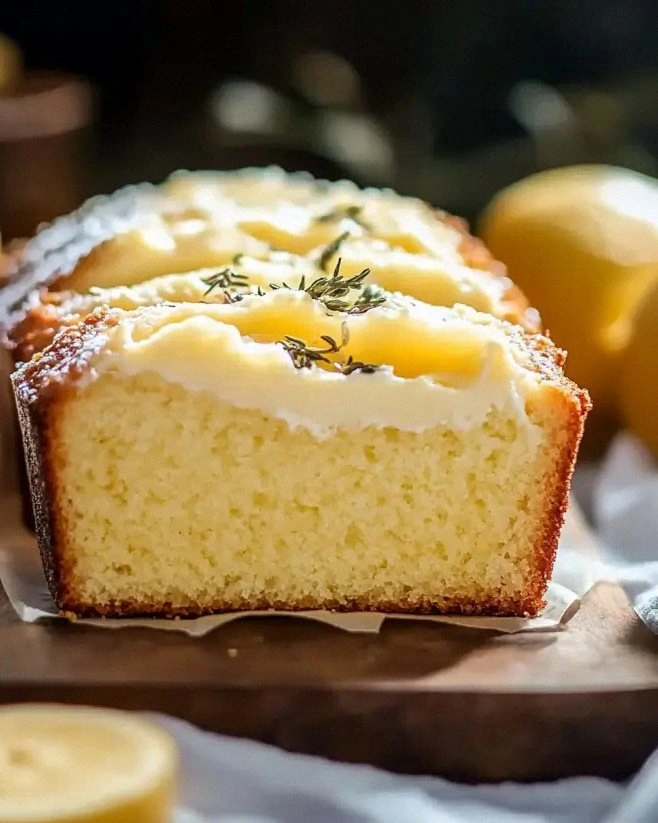
Picture this: the moment you open the oven, a gentle steam escapes, carrying whispers of toasted butter, fresh lemon zest, and a faint boozy perfume that makes you pause mid‑step. The cake layers are golden‑brown, with edges that have just the right amount of crispness—like a sun‑kissed crust that gives way to a cloud‑soft interior. As you slice through, a glossy syrup seeps in, soaking the crumb without drowning it, while the mascarpone frosting spreads like a velvety cloud that holds a faint lemony tang. The final dusting of powdered sugar looks like freshly fallen snow on a Mediterranean hillside.
Why does this version stand out from the sea of lemon cakes on the internet? Most recipes either drown the cake in sugar or skimp on the citrus, leaving you with a bland, overly sweet dessert. This one strikes a perfect balance: the Limoncello isn’t just a garnish; it’s woven into the very fibers of the cake, giving each bite a sophisticated lift. The mascarpone filling adds richness without heaviness, and the simple syrup keeps the cake moist for days. Most importantly, the technique is straightforward enough for a weekend baker but refined enough to wow a dinner party crowd.
And here’s the kicker: the secret ingredient is a splash of water‑infused sugar that you’ll whisk into a quick simple syrup, then combine with Limoncello and lemon zest. This step is the game‑changer that transforms a regular lemon cake into a luminous, boozy masterpiece. I dare you to taste this and not go back for seconds. Let me walk you through every single step — by the end, you’ll wonder how you ever made it any other way.
What Makes This Version Stand Out
- Taste: The Limoncello infusion gives a bright, adult‑level citrus flavor that dances with the subtle tang of mascarpone, creating a layered taste experience that feels both fresh and indulgent.
- Texture: A light, airy sponge meets a luxuriously smooth filling; the contrast is like biting into a cloud that suddenly bursts with a gentle citrus snap.
- Simplicity: Despite the fancy feel, the recipe uses pantry staples and a handful of steps—no fancy equipment, just a whisk, a mixer, and a good heart.
- Uniqueness: Most lemon cakes rely on lemon juice alone; we add Limoncello, lemon zest, and a buttery mascarpone blend for depth that most recipes miss.
- Crowd Reaction: Guests often ask for the “secret” ingredient; the answer is a whisper of Limoncello and a promise of “just one more slice.”
- Ingredient Quality: Using real lemon zest and a quality Italian Limoncello makes the difference between a “nice” cake and a “wow” cake.
- Method: The simple syrup soak is the trick that keeps the cake moist for up to three days—no soggy disaster, just perfect moisture.
- Make‑Ahead Potential: Assemble the cake a day ahead, cover tightly, and the flavors will meld, becoming even more harmonious.
Inside the Ingredient List
The Flavor Base
The backbone of any great cake is the balance between sweet, salty, and acidic. Granulated sugar not only sweetens but also helps with caramelization, giving the crumb a subtle golden hue. If you swap it for coconut sugar, you’ll introduce a caramel‑like undertone that pairs nicely with lemon. Vanilla extract adds depth; a splash of pure vanilla rounds out the citrus and prevents the flavor from feeling one‑dimensional. Skipping vanilla would leave the cake tasting flat, like a lemon‑only song without a bass line.
The Texture Crew
All‑purpose flour provides structure, but for an ultra‑light crumb you can replace half with cake flour. The protein content of flour determines how much gluten forms; too much and you get a dense, rubbery cake. Baking powder is the leavening hero, creating those airy bubbles that lift the sponge. A pinch of salt isn’t just seasoning—it amplifies the lemon’s brightness and balances the sweetness. If you’re on a low‑sodium diet, reduce to 1/4 tsp, but don’t eliminate it entirely.
The Unexpected Star
Limoncello liqueur is the secret weapon. It’s not just a flavoring; it adds a subtle alcohol warmth that mellows the sharp lemon and lets the mascarpone shine. If you can’t find Limoncello, substitute a mixture of 2 parts vodka, 1 part lemon juice, and a splash of simple syrup, but the authentic Italian spirit is unbeatable. Lemon zest is the aromatic powerhouse—its oils carry the citrus perfume that the juice alone can’t deliver. Skipping zest is like serving a movie without its soundtrack.
The Final Flourish
Mascarpone cheese brings a buttery, slightly tangy richness that makes the frosting feel luxurious without being heavy. It’s the Italian answer to cream cheese, but silkier. Heavy whipping cream is folded in to give the filling air, creating a light mousse‑like texture. Powdered sugar sweetens the frosting while keeping it smooth; too much and you’ll end up with a gritty paste. Finally, a drizzle of fresh lemon juice brightens the filling, ensuring every bite has that zing you crave.
Everything's prepped? Good. Let’s get into the real action…

The Method — Step by Step
Preheat your oven to 350°F (175°C). Grease two 8‑inch round cake pans, line the bottoms with parchment, and set them aside. This ensures the cakes release cleanly later—no tearing, no drama. While the oven heats, whisk together the flour, baking powder, and salt in a medium bowl; this aerates the dry mix and guarantees even leavening.
Make a simple syrup: combine ½ cup water with ¼ cup granulated sugar in a small saucepan. Bring to a gentle boil, stirring until the sugar dissolves, then remove from heat. Let it cool for a minute, then stir in 1/4 cup Limoncello and 2 tbsp lemon zest. This syrup is the moisture‑magnet that will keep the sponge from drying out.
Kitchen Hack: Add a pinch of sea salt to the syrup; it enhances the Limoncello’s floral notes.In a large mixing bowl, beat 4 large eggs with 1 cup granulated sugar on high speed for about 5 minutes, until the mixture is thick, pale, and ribbons fall off the whisk. This step is the backbone of a fluffy sponge; the air you incorporate now is what lifts the cake later. Add 2 tsp vanilla extract and the zest‑infused Limoncello syrup, mixing just until combined.
Gently fold the dry ingredients into the wet mixture using a spatula. Do this in three additions, turning the bowl rather than stirring vigorously. Over‑mixing will develop gluten, making the cake dense—something we absolutely want to avoid.
Watch Out: If the batter looks a bit lumpy, it’s okay—over‑mixing is the real enemy.Divide the batter evenly between the prepared pans, smoothing the tops with a spatula. Tap the pans lightly on the counter to release any air bubbles. Bake for 20‑25 minutes, or until a toothpick inserted in the center comes out clean and the edges are lightly golden. The aroma at this point is pure sunshine.
While the cakes are cooling, whip 1 cup heavy whipping cream with ½ cup powdered sugar and 2 tbsp lemon juice until soft peaks form. In a separate bowl, beat 1 cup mascarpone cheese until smooth, then fold the whipped cream into the mascarpone, followed by 2 tbsp lemon zest. The result should be light, airy, and slightly tangy—like a cloud that’s just been kissed by citrus.
Kitchen Hack: Chill the mixing bowl and whisk before whipping cream; it speeds up the process and yields higher peaks.When the cakes are completely cool, run a thin knife around the edges to loosen them, then invert onto a wire rack. Using a pastry brush, generously drizzle the remaining Limoncello‑syrup over each layer, allowing it to soak in. The cake will absorb the liquid like a sponge, becoming moist without being soggy.
Place one cake layer on a serving platter, spread a thick layer of mascarpone filling, then top with the second cake layer. Frost the top and sides with the remaining filling, smoothing with an offset spatula. For an extra visual punch, drizzle a thin ribbon of the leftover syrup over the top, then dust with 2 tbsp powdered sugar for that snowy finish.
Garnish with thin lemon slices and a few sprigs of fresh mint. The mint adds a fresh green contrast, while the lemon slices reinforce the citrus theme. Let the assembled cake rest for at least 30 minutes before slicing—this allows the flavors to meld and the frosting to set.
That’s it — you did it. But hold on, I’ve got a few more tricks that’ll take this to another level…
Insider Tricks for Flawless Results
The Temperature Rule Nobody Follows
Always bring your eggs and butter (if using) to room temperature before mixing. Cold eggs won’t incorporate air as efficiently, resulting in a denser crumb. I once tried to rush the process by using straight‑out‑the‑fridge eggs; the cake turned out heavy enough to double as a doorstop. Let them sit for 30 minutes, or give them a quick warm water bath, and you’ll notice the batter becomes noticeably lighter.
Why Your Nose Knows Best
When the cake is baking, trust your sense of smell more than the timer. Around the 18‑minute mark, you’ll start to smell a sweet, toasted aroma mingling with lemon. If the scent turns to a faint burnt note, pull the cake out early; ovens vary, and a few minutes can make a world of difference. This sensory cue saved my previous batch from a disastrous over‑bake.
The 5‑Minute Rest That Changes Everything
After the layers have cooled but before you soak them, let them sit uncovered for five minutes. This short rest allows the surface to dry just enough so the syrup penetrates evenly rather than pooling at the bottom. Skipping this step creates a soggy bottom that can ruin the texture.
Whisk the Mascarpone Like a Pro
When folding the mascarpone into the whipped cream, use a gentle “cut‑and‑fold” motion. Over‑mixing will cause the mixture to lose its airy structure, resulting in a dense frosting that overpowers the cake. A light hand preserves that cloud‑like texture.
The Garnish Game
A quick tip: lightly zest a lemon over the finished cake just before serving. The fresh oils add a burst of aroma that makes the first bite even more exciting. I’ve seen people skip this step and then wonder why the cake doesn’t “pop” as much as they expected.
Creative Twists and Variations
This recipe is a playground. Here are some of my favorite ways to switch things up:
Berry Burst
Swap half the Limoncello for a raspberry puree and fold fresh raspberries into the mascarpone filling. The tart berries contrast the lemon, creating a summer‑ready flavor combo that’s perfect for brunch.
Chocolate Citrus
Add 2 tablespoons of cocoa powder to the dry ingredients and drizzle a dark chocolate ganache over the top. The bitterness of chocolate deepens the lemon’s brightness, making it a sophisticated dessert for dinner parties.
Herbal Infusion
Infuse the simple syrup with a few sprigs of rosemary or thyme before adding Limoncello. The herbaceous note adds an unexpected layer that pairs beautifully with the citrus.
Vegan Velvet
Replace mascarpone with a blend of silken tofu and coconut cream, and use aquafaba (chickpea water) in place of eggs. The result is a dairy‑free version that still feels indulgent.
Spiced Holiday
Add a pinch of ground cardamom and a splash of orange Liqueur to the syrup for a festive twist. Garnish with candied orange peel instead of lemon slices for a winter‑wonderland vibe.
Storing and Bringing It Back to Life
Fridge Storage
Cover the cake tightly with plastic wrap or store it in an airtight cake dome. It will keep fresh for up to 4 days. The mascarpone filling holds up well, but if you notice a slight firming, let the cake sit at room temperature for 15 minutes before serving.
Freezer Friendly
Slice the cake into individual portions, wrap each slice in parchment, then place them in a zip‑top freezer bag. The cake freezes beautifully for up to 2 months. To thaw, move the slices to the fridge overnight, then let them sit at room temperature for 20 minutes before enjoying.
Best Reheating Method
When you want to serve a refrigerated slice, warm it gently in a 300°F (150°C) oven for about 8‑10 minutes. Add a tiny splash (about a teaspoon) of water or extra Limoncello syrup on top before reheating; the steam revives the moisture, and the flavor gets a fresh lift.