I still remember the first time I tried to impress my future mother-in-law with bruschetta. Armed with nothing but a vague memory of watching a cooking show and an overinflated sense of confidence, I served what can only be described as tomato water on cardboard. The bread was so charred it could've been used as charcoal, and the tomatoes were swimming in a pool of their own juice, making everything soggy within seconds. She politely took one bite, smiled through what I can only imagine was immense physical pain, and asked if I'd considered a career in accounting instead of cooking.
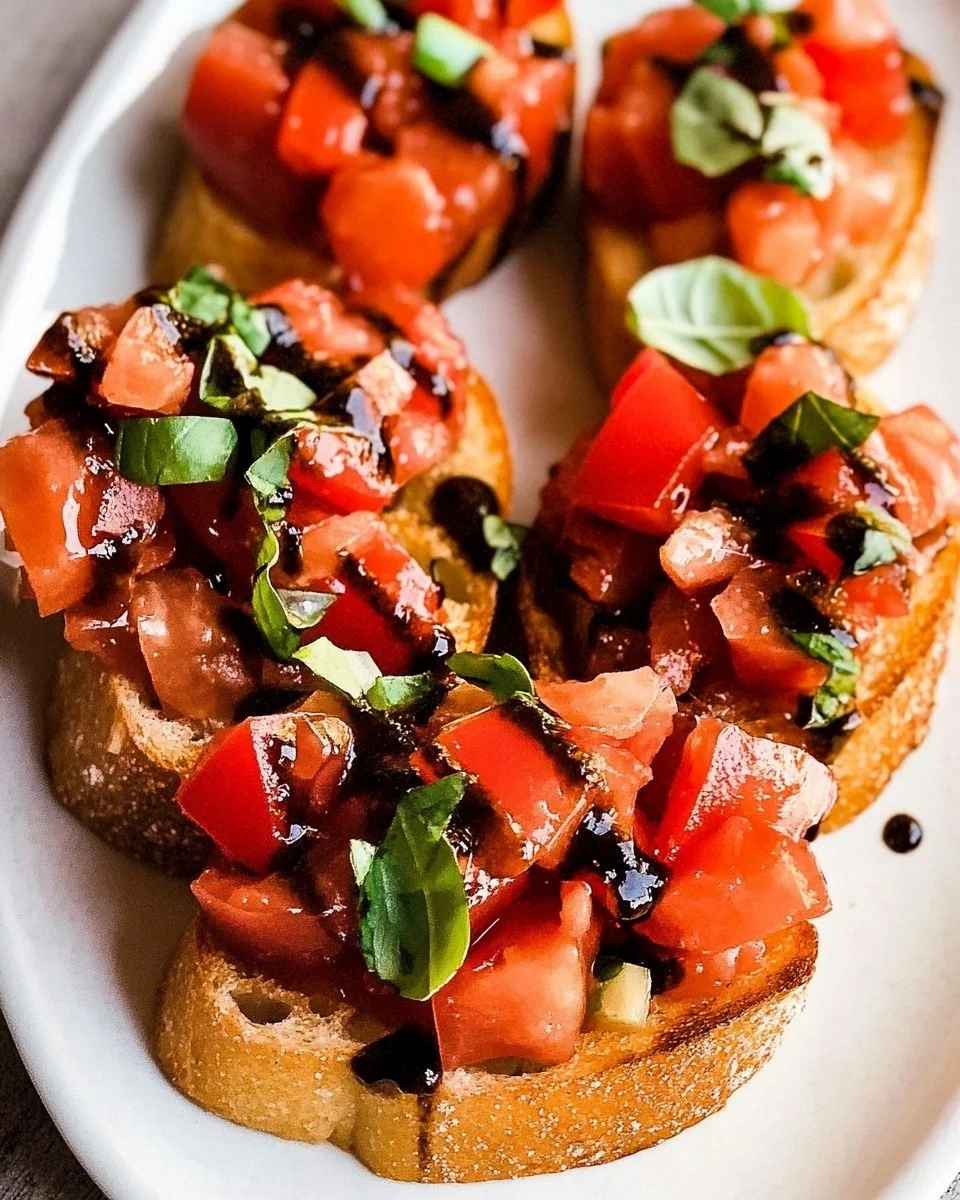
Fast forward fifteen years, and I'm now the person everyone begs to bring bruschetta to their dinner parties. The transformation wasn't about attending culinary school or buying expensive equipment — it was about understanding the simple science behind what makes bruschetta truly sing. Picture this: golden-brown bread that's crispy enough to shatter under your teeth but still tender inside, topped with tomatoes that burst with sunshine and garlic that whispers rather than shouts. The basil is so fresh you can still smell the morning dew on it, and everything glistens with just enough olive oil to make it feel indulgent without being greasy.
Here's the thing that'll blow your mind: the best bruschetta isn't about fancy heirloom tomatoes or artisanal bread that costs more than your monthly car payment. It's about technique, timing, and understanding how five humble ingredients can transform into something that makes grown adults close their eyes and sigh with pleasure. I've tested this recipe on picky toddlers, food snobs, and that one friend who claims to hate tomatoes — they all beg for seconds. The secret lies in a few counterintuitive steps that most recipes completely ignore.
What you're about to learn will change your appetizer game forever. We're talking about a version so good, you'll find yourself making it for solo Tuesday night dinners because you simply can't wait for an excuse to serve it to company. The best part? It takes less time than ordering takeout, costs less than a fancy coffee, and requires zero special equipment. Let me walk you through every single step — by the end, you'll wonder how you ever made it any other way.
What Makes This Version Stand Out
- Temperature Precision: Most recipes tell you to rub raw garlic on hot bread, which gives you harsh, one-note flavor. We'll show you exactly when to add garlic for a mellow, complex taste that blooms rather than burns.
- The Drain Game: Here's where most people mess up — they chop tomatoes and immediately pile them on bread. We'll teach you a 10-minute trick that concentrates flavors and prevents soggy bottoms forever.
- Bread Transformation: Forget dry, jaw-breaking toast. Our method creates a dual-texture miracle: shatteringly crisp edges with a tender, almost creamy center that melts in your mouth.
- Garlic Technique: We're not mincing garlic into the tomatoes (bitter city) or rubbing raw cloves on bread (too harsh). Instead, we'll create garlic oil that infuses every bite with mellow, nutty perfection.
- Make-Ahead Magic: This recipe is party-friendly because each component can be prepped separately and assembled in under two minutes when guests arrive. No more being stuck in the kitchen while everyone else has fun.
- Flavor Balance: The ratio of tomato to bread to basil to garlic isn't random — it's scientifically calculated to hit every taste receptor in perfect harmony. Sweet, acidic, herbal, and savory all dance together without stepping on each other's toes.
Alright, let's break down exactly what goes into this masterpiece...
Inside the Ingredient List
The Flavor Base
Let's start with the tomatoes because, contrary to popular belief, they're not the star of the show — they're part of an ensemble cast. You want ripe but firm tomatoes, the kind that feel heavy for their size and smell like summer sunshine when you hold them close. Roma tomatoes are my go-to because they're naturally less watery and have fewer seeds, but any ripe tomato will work if you follow our draining technique. The key is avoiding those mealy supermarket tomatoes that taste like disappointment and regret. If your tomatoes don't smell like anything, they won't taste like anything either.
Garlic is where things get interesting. We're using a whole head here, but not in the way you think. Instead of mincing or crushing, we'll slice cloves in half and gently warm them in olive oil. This creates a garlic oil that's mellow, sweet, and infused with all the flavor but none of the harsh bite. The trick is keeping the oil below 200°F — any hotter and you'll get bitter, angry garlic that ruins everything it touches. Think of it as giving the garlic a spa day instead of a torture session.
The Texture Crew
Bread choice makes or breaks bruschetta, and I'm going to save you from years of disappointment. Skip the baguette — it's too crusty and will shred the roof of your mouth like edible sandpaper. Instead, grab a rustic country loaf or ciabatta with plenty of air pockets and a tender crumb. Day-old bread actually works better than fresh because it's slightly dried out, ready to absorb our garlic oil without becoming soggy. Cut it thick enough to provide structure but thin enough to bite through easily — about half an inch is the sweet spot. If you can only get fresh bread, leave it uncovered overnight to stale slightly.
Olive oil is not just a cooking medium here — it's a flavor bomb that carries garlic essence into every pore of the bread. Use the good stuff, the bottle you've been saving for special occasions. This isn't the time for bargain basement oil that tastes like old peanuts and regret. You want grassy, peppery oil that makes you want to drink it straight from the bottle. Trust me on this one — the difference between mediocre and mind-blowing bruschetta often comes down to oil quality.
The Unexpected Star
Here's where I lose some people: we're adding a touch of honey. Not enough to make it sweet, just enough to balance the acid in the tomatoes and round out the flavors. It's like adding sugar to tomato sauce — you don't taste the sugar, you just taste better, more complex tomatoes. The honey also helps the tomatoes caramelize slightly, creating little flavor bombs that explode in your mouth. If you're skeptical, make it once without and once with, then tell me which version disappeared first at your dinner party.
Basil gets added in two stages for maximum impact. We'll chiffonade most of it and mix into the tomatoes, but save a few leaves to fry briefly in the garlic oil. This creates basil oil that perfumes the entire dish and adds another layer of herbal complexity. The fried basil becomes crispy and intensely flavored, almost like basil bacon. People will ask what that incredible aroma is, and you'll smile knowingly.
The Final Flourish
Sea salt isn't just for sprinkling on top — we'll salt the tomatoes and let them drain, concentrating their flavor while drawing out excess water. This technique, learned from Italian grandmothers who've been making bruschetta since before your grandmother was born, transforms watery tomatoes into concentrated flavor bombs. Use flaky sea salt here, not table salt, which can make the tomatoes taste metallic and sad. The salt also helps break down the tomatoes slightly, creating a mixture that clings to bread instead of sliding off like a tomato avalanche.
Balsamic glaze might seem like gilding the lily, but hear me out. A few strategic drops of thick, syrupy balsamic (not the watery stuff from the grocery store) add acidity and sweetness that make all the other flavors pop like a 3D movie for your taste buds. Make your own by simmering cheap balsamic until it reduces by half, or buy the good stuff. Either way, use it sparingly — this is accent, not main character energy.
Everything's prepped? Good. Let's get into the real action...
The Method — Step by Step
- Start with the tomato prep because timing matters more than you think. Dice your tomatoes into small, even pieces — about the size of your thumbnail. Too large and they'll tumble off the bread; too small and they'll weep their way into tomato soup. Place them in a colander set over a bowl, sprinkle with half a teaspoon of sea salt, and give them a gentle toss. Walk away for ten minutes. This isn't lazy cooking — it's strategic flavor concentration. While the salt works its magic, pulling out excess water and intensifying the tomato taste, you can prep everything else. When you return, you'll find a surprising amount of liquid in the bowl below — liquid that would have turned your beautiful bruschetta into a soggy mess.
- While your tomatoes drain, start the garlic oil that'll make your kitchen smell like an Italian grandmother's house on Sunday. Pour half a cup of olive oil into a small pan and add six garlic cloves that you've sliced in half lengthwise. Keep the heat low — we're not frying here, we're infusing. You want the garlic to sizzle gently, releasing its essence into the oil without browning. This is where patience pays off big time. After about five minutes, the oil will start smelling like the world's best Italian restaurant, and your neighbors will probably knock on your door to investigate. Remove from heat and let it steep while you continue. The garlic should look pale golden, not brown — brown means bitter, and bitter means sad bruschetta.
- Now for the basil treatment that'll change how you think about herbs forever. Take half your basil leaves and stack them like green dollar bills, then roll them into a tight cigar. Slice across to create thin ribbons — this chiffonade technique prevents bruising and keeps the basil bright green. Set this aside for mixing with tomatoes. Take the remaining basil leaves and add them to the warm (not hot) garlic oil. They'll sizzle slightly and turn translucent, infusing the oil with even more herbal complexity. After two minutes, remove these fried basil leaves to a paper towel — they'll crisp up and become basil chips that we'll crumble over the top for texture and concentrated flavor.
- Toast your bread using a method that seems backwards but works like magic. Instead of grilling or broiling, brush both sides generously with the garlic-basil oil and cook in a dry skillet over medium heat. This creates a dual texture that's impossible to achieve any other way. The outside becomes golden and crisp, while the inside stays tender and almost creamy. Cook for about three minutes per side, pressing down gently with a spatula to ensure even contact. The bread should be golden with darker patches where the garlic oil pooled — these caramelized spots are flavor gold mines. If you're making a large batch, keep the toasted bread warm in a 200°F oven on a wire rack so air can circulate.
- Back to those drained tomatoes — they should look slightly deflated and concentrated, like tiny red jewels. Gently pat them dry with paper towels, being careful not to crush them. Add the chiffonade basil, a drizzle of the garlic oil, a tiny splash of red wine vinegar (trust me here), and a few cracks of black pepper. The vinegar brightens everything and makes the tomatoes taste more like themselves — it's like turning up the contrast on a photo. Taste and adjust seasoning, but go easy on salt since we already salted them for draining. The mixture should be thick enough to mound on a spoon without liquid pooling around the edges.
- Assembly time is where most people rush and ruin everything. Take your toasted bread and rub one side gently with the cut side of a garlic clove — just one or two swipes. This adds another layer of garlic flavor without overwhelming the other ingredients. Brush lightly with more garlic oil, then top with the tomato mixture. Don't overload — you're not making tomato sandwiches here. A heaping tablespoon per slice is perfect. Arrange on a platter and drizzle with balsamic glaze in a thin zigzag pattern. Crumble the fried basil chips over the top for crunch and visual appeal. Serve immediately while the bread is still crisp and the tomatoes are room temperature.
- The final flourish seems minor but makes all the difference. Take a moment to arrange your bruschetta on a wooden board or white platter — the contrast makes the colors pop. Add a small bowl of extra garlic oil for dipping (people will ask for it). If you're feeling fancy, shave some fresh Parmesan over the top with a vegetable peeler, letting it fall in delicate wisps. The cheese adds umami depth without competing with the fresh flavors. Stand back and watch people's faces when they take the first bite — that moment when their eyes close involuntarily and they make that involuntary "mmm" sound is worth every minute of prep.
- Here's the game-changer that'll make you the bruschetta legend of your friend group: save some of the tomato draining liquid and mix it with vodka for the world's most incredible bloody mary. Or reduce it with a splash of balsamic for an amazing glaze that'll elevate everything from grilled chicken to vanilla ice cream. Nothing goes to waste in this kitchen. I've even frozen it in ice cube trays to add instant tomato flavor to winter soups and stews. Your future self will thank you when you're making marinara in February and remember you have concentrated summer flavor cubes in the freezer.
That's it — you did it. But hold on, I've got a few more tricks that'll take this to another level...
Insider Tricks for Flawless Results
The Temperature Rule Nobody Follows
Here's something that'll make you feel like a kitchen wizard: temperature matters more than ingredients. Serve your bruschetta with tomatoes at room temperature and bread that's still slightly warm. Cold tomatoes taste flat and dull, while hot tomatoes will continue cooking and break down into mush. I leave my tomatoes on the counter for at least an hour before making bruschetta, even in summer. The difference is staggering — room temperature tomatoes taste twice as flavorful as cold ones. If you must refrigerate your tomatoes (though I don't recommend it), let them come to room temperature before using. Your taste buds will throw a party in celebration.
Why Your Nose Knows Best
Trust your nose more than your eyes when making brusschetta. The garlic oil is ready when your kitchen smells like you've walked into a Roman trattoria — if you can smell it, so can your guests. The bread is perfectly toasted when it smells like the world's best croutons, nutty and slightly sweet. Even the tomatoes should smell like summer and sunshine before you use them. If any ingredient doesn't smell amazing on its own, it won't taste amazing in the finished dish. This is your built-in quality control system, refined over thousands of years of human cooking. Ignore it at your peril.
The 5-Minute Rest That Changes Everything
After assembling your bruschetta, let it rest for exactly five minutes before serving. This isn't laziness — it's strategic flavor melding. During this time, the garlic oil seeps into the bread, the tomatoes settle slightly, and everything comes together in perfect harmony. Too short and the flavors stay separate and jangly. Too long and the bread starts to sog. Five minutes is the Goldilocks zone where magic happens. Set a timer and walk away. When you return, taste one piece — the difference from immediately-served bruschetta will blow your mind. The flavors are deeper, more integrated, somehow more than the sum of their parts.
The Salt Timing Secret
Most people salt their tomatoes right before serving, which gives you watery results and flat flavor. We salt early to draw out liquid and concentrate flavor, but here's the advanced move: save some of the drained tomato liquid and add it back in tiny amounts just before serving. This liquid is pure tomato essence, concentrated and intensified by the salt. A few drops mixed back into the tomatoes adds depth and makes them taste like the best version of themselves. It's like tomato flavor in 3D — you get concentrated tomatoes with a background of pure tomato essence. Your guests won't know what you did, but they'll know this is the best bruschetta they've ever tasted.
The Texture Contrast Trick
Great bruschetta is all about texture play — crisp bread, juicy tomatoes, tender basil, and one secret element that makes everyone ask "what's that crunch?" Take a handful of pine nuts, chop them roughly, and sprinkle over the top just before serving. They add richness and crunch without competing with the main flavors. If pine nuts aren't your thing (or your budget), try toasted slivered almonds or even crushed croutons. The key is something that contrasts with the soft tomatoes and bread. Without this textural element, bruschetta can feel one-dimensional. With it, each bite becomes a adventure in contrasts that keeps people reaching for more.
Creative Twists and Variations
This recipe is a playground. Here are some of my favorite ways to switch things up:
Mediterranean Sunset
Swap the basil for fresh oregano and add chopped Kalamata olives and crumbled feta to the tomato mixture. The briny olives and tangy cheese transport you straight to a Greek island taverna. Use lemon juice instead of red wine vinegar and add a sprinkle of dried Greek oregano over the top. This version pairs beautifully with crisp white wine and makes an incredible light lunch when served over grilled chicken. The key is using Greek olive oil — it's fruitier and more robust than Italian, standing up to the strong flavors of olives and feta.
Spicy Southern Nights
Add a diced jalapeño to the tomatoes for heat that builds slowly rather than overwhelming immediately. Use cilantro instead of basil, lime juice instead of vinegar, and add a pinch of cumin to the garlic oil. Top with queso fresco instead of Parmesan and serve with a Mexican beer. This fusion version works surprisingly well because tomatoes are native to the Americas — we're just bringing them home. The jalapeño needs to be seeded unless you like breathing fire, but leave a few seeds if you want authentic heat that makes your lips tingle pleasantly.
Autumn Harvest
Roast grape tomatoes with thyme and garlic until they burst and caramelize, then use these instead of fresh tomatoes. The roasting concentrates their flavor and adds smoky depth that's perfect for cooler weather. Mix in some crispy pancetta bits and use rosemary instead of basil. This version is heartier and more substantial, almost a meal rather than an appetizer. The roasted tomatoes can be made ahead and kept in the fridge for up to a week, making this perfect for entertaining. Serve with bold red wine and watch it disappear.
White Winter Wonderland
Use roasted red peppers instead of tomatoes for a winter version when good tomatoes are impossible to find. The roasting brings out their natural sweetness, and they pair beautifully with creamy goat cheese. Add some toasted walnuts for crunch and use fresh thyme instead of basil. This version is unexpected and sophisticated, perfect for holiday parties when everyone expects the same old appetizers. The sweetness of roasted peppers balances perfectly with tangy goat cheese, creating a flavor profile that feels both familiar and excitingly different.
Breakfast Bruschetta
Top your garlic-rubbed toast with diced tomatoes, fresh mozzarella, and a perfectly poached egg. The runny yolk creates a sauce that brings everything together in the most luxurious way. Add some crispy prosciutto and fresh chives for a breakfast that'll make you cancel brunch reservations. This isn't just hangover food — it's hangover food that makes you feel like you're winning at life. The contrast of hot egg and cool tomatoes, creamy yolk and crisp bread, creates a breakfast experience that regular toast simply cannot compete with.
Sweet Ending
Believe it or not, bruschetta works as dessert too. Use strawberries instead of tomatoes, basil still works surprisingly well, and add a drizzle of aged balsamic that's so thick it pours like syrup. Top with vanilla ice cream or whipped mascarpone for a dessert that's light but indulgent. The key is using strawberries at peak ripeness — they should smell like strawberry fields and taste like summer. This version will confuse and delight your guests, who won't know whether to serve it as an appetizer or dessert. The answer is both.
Storing and Bringing It Back to Life
Fridge Storage
The components store beautifully separately but terribly together, so never assemble ahead if you can avoid it. Keep your drained tomato mixture in an airtight container for up to three days, but bring it to room temperature before using. The garlic oil will keep for a week in the fridge, though it might solidify — just let it sit at room temperature for 30 minutes before using. Toasted bread can be kept in an airtight container for two days, then refreshed in a 350°F oven for 5 minutes. If you've already assembled bruschetta, all is not lost — separate the components as best you can and treat them individually. Never microwave assembled bruschetta unless you enjoy eating tomato-flavored rubber.
Freezer Friendly
While you can't freeze assembled bruschetta (trust me, I've tried — it's a crime against food), you can freeze the tomato mixture for up to three months. The texture changes slightly but the flavor remains incredible, perfect for winter when good tomatoes are a distant memory. Freeze in ice cube trays, then transfer to freezer bags — each cube is perfect for adding instant summer flavor to soups, stews, or pasta sauces. The garlic oil also freezes well in ice cube trays, giving you instant flavor boosters for any dish. Thaw both in the fridge overnight, then bring to room temperature before using. It's like having summer in your freezer, ready whenever you need a taste of sunshine.
Best Reheating Method
If your toasted bread has gone soft, don't despair — you can bring it back to life. Arrange slices on a wire rack set over a baking sheet and warm in a 350°F oven for 5-7 minutes. The wire rack allows air to circulate, recreating that crisp texture without drying out the interior. For the tomato mixture, if it's been refrigerated, let it come to room temperature naturally rather than microwaving, which can make tomatoes mushy and dull. If it's too watery after storage, drain briefly again and add a few fresh-chopped tomatoes to brighten the flavor. A splash of fresh lemon juice can also wake up stored tomatoes, bringing back their fresh, bright flavor.