I was standing in my kitchen, staring at a half‑cooked salmon fillet that had somehow turned into a sad, soggy slab, when a dare from my roommate rang in my ears: “Bet you can’t turn that into something that’ll make the whole block want to move in for dinner.” I laughed, I shrugged, and then I grabbed the nearest spring‑roll wrappers, a handful of panko, and a ridiculous amount of confidence. The result? A dish that makes the phrase “comfort food” sound like an understatement. This is the moment where a kitchen disaster flips into a culinary triumph, and I’m still buzzing from the first bite.
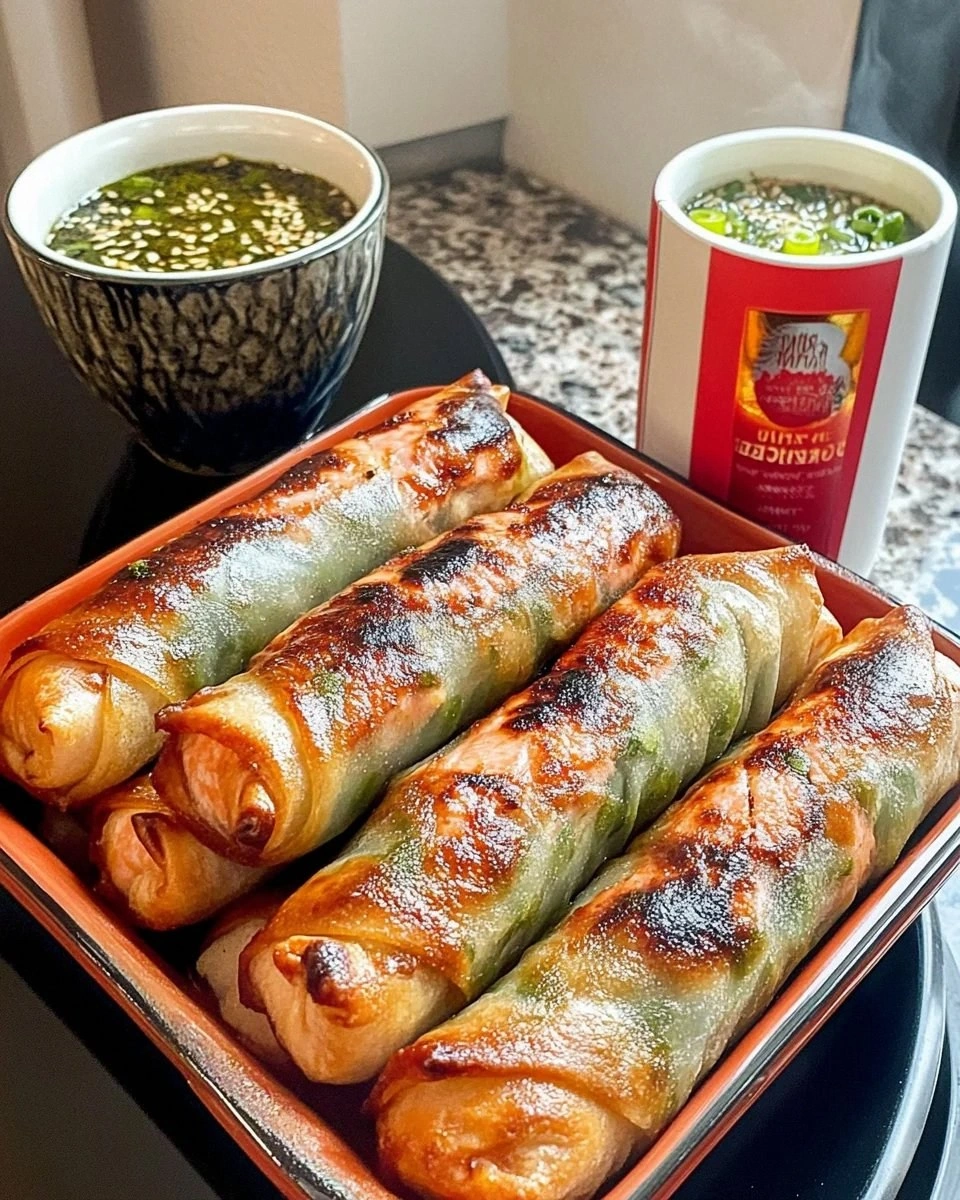
Picture this: the oven humming like a contented cat, the air filling with a buttery‑nutty aroma that makes you want to inhale through your nose and mouth at the same time. The salmon, now baked to a pink‑gold perfection, is wrapped in a crisp, golden sheath that shatters under the fork like thin ice on a spring lake. The fresh vegetables inside add a crunch that sings, while a whisper of lime and cilantro lifts the whole thing into a bright, breezy finale. Your senses are doing a little dance, and you’re thinking, “Did I just invent a new food group?” Spoiler: you did.
Most recipes for salmon spring rolls either fry the fish (which can leave it dry) or skip the baking entirely, resulting in a soggy wrapper that sticks to your fingers like a bad breakup. This version flips the script by baking the salmon first, locking in moisture, then giving it a quick flash in the oven again after it’s wrapped, ensuring every bite is a perfect contrast of tender and crunchy. I’m not just talking about “good”; I’m talking about the best version you’ll ever make at home, hands down. The secret? A light coating of flour and panko that creates a micro‑crust before the roll even meets the heat.
And here’s the kicker: I’m going to reveal a technique that most chefs keep under their aprons—a quick brush of sesame oil right before the final bake that turns the wrapper into a glossy, crackling masterpiece. I dare you to taste this and not go back for seconds. Let me walk you through every single step — by the end, you’ll wonder how you ever made it any other way.
What Makes This Version Stand Out
- Texture: The double‑crust method gives you a buttery interior wrapped in a shell that shatters like delicate glass, creating a satisfying crunch that lasts.
- Flavor Fusion: The marriage of baked salmon’s richness with fresh lime, cilantro, and a hint of ginger makes each bite feel like a seaside breeze.
- Simplicity: Only ten ingredients, minimal prep, and you can assemble everything on a single countertop without juggling multiple pans.
- Uniqueness: Baking the salmon before wrapping is a game‑changer that keeps the fish juicy while the wrapper stays crisp.
- Crowd Reaction: Guests will swear you spent hours in a professional kitchen; they’ll be asking for the recipe before the first bite is even swallowed.
- Ingredient Quality: Using wild‑caught salmon and panko instead of regular breadcrumbs adds a depth of flavor you can’t fake.
- Cooking Method: The two‑stage oven process eliminates the mess of deep‑frying while delivering the same golden crunch.
- Make‑Ahead Potential: You can prep the rolls, freeze them, and pop them in the oven later for a quick, impressive appetizer.
Inside the Ingredient List
The Flavor Base
Salmon is the star, and choosing a wild‑caught fillet ensures a buttery texture that’s impossible to replicate with farmed varieties. The soy‑honey glaze adds a sweet‑salty umami punch, while grated ginger and minced garlic inject a subtle heat that awakens the palate. If you skip the ginger, you’ll lose that bright, peppery zing that balances the richness of the fish. A quick tip: pat the salmon dry with paper towels before seasoning; excess moisture is the enemy of crispness.
The Texture Crew
Flour, eggs, and panko form the holy trinity of crunch. Flour adheres to the fish, eggs act as a binder, and panko provides the airy, golden coating that shatters like thin ice. If you substitute regular breadcrumbs, you’ll end up with a denser, heavier crust that never quite reaches that airy lightness. For a gluten‑free version, swap the flour for rice flour and use gluten‑free panko; the texture stays delightfully crisp.
The Unexpected Star
Sesame oil might seem like a minor player, but a light brush before the final bake adds a nutty sheen that makes the wrapper glisten like a polished gemstone. It also contributes a lingering aroma that ties the whole roll together. Don’t overdo it—just a thin layer is enough; too much oil will sog the wrapper and defeat the purpose of the crisp.
The Final Flourish
Fresh vegetables—carrots, cucumber, and red bell pepper—introduce a crisp, watery contrast that prevents the roll from feeling heavy. Cilantro and lime juice finish the dish with a bright, herbaceous lift that feels like a splash of sunshine on a cloudy day. If you’re not a fan of cilantro, try fresh basil or mint; the flavor profile shifts but remains vibrant.
Everything's prepped? Good. Let's get into the real action...
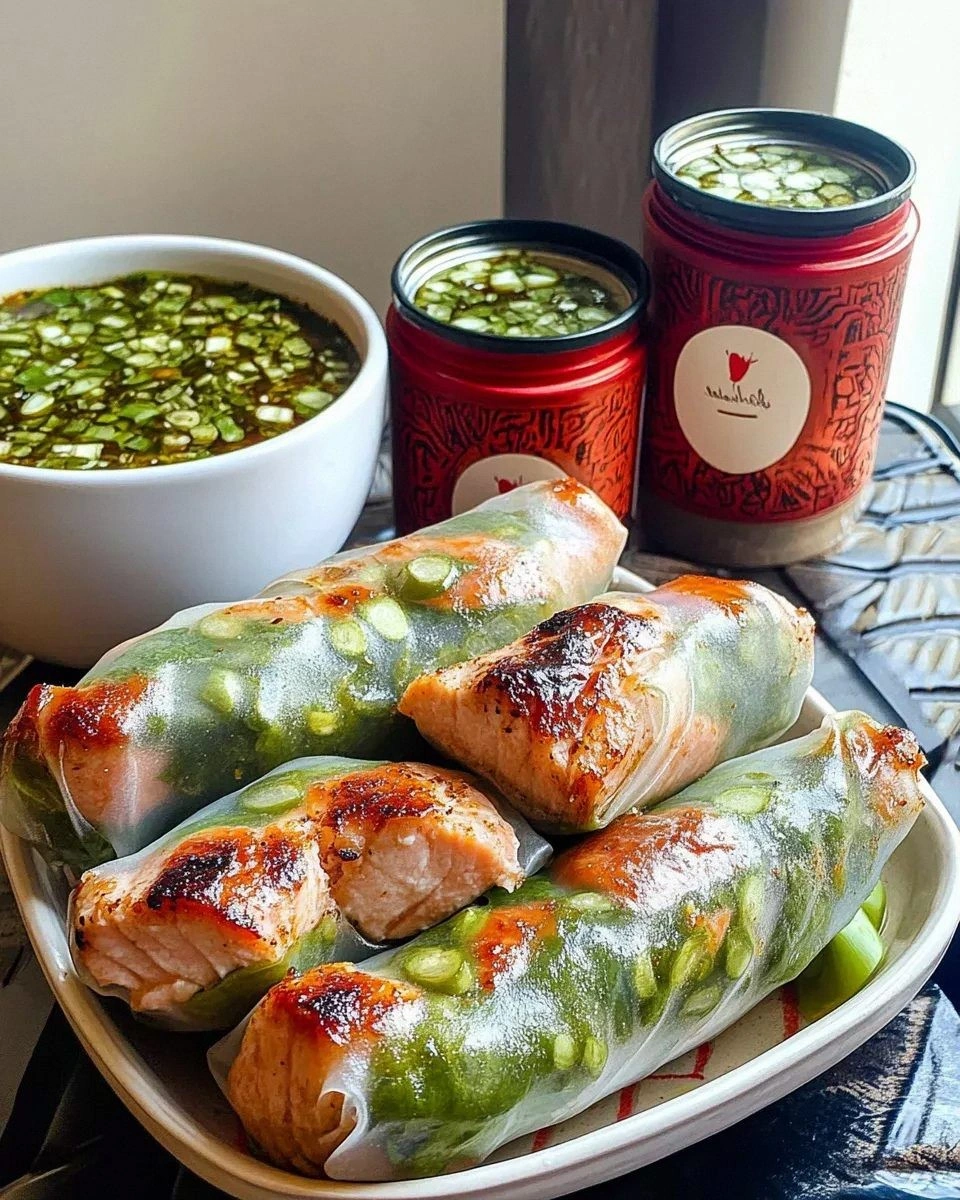
The Method — Step by Step
Preheat your oven to 400°F (200°C). While it’s heating, line a baking sheet with parchment paper and set a wire rack on top. This rack lets hot air circulate, ensuring the salmon gets an even, toasty finish. Power transition: Okay, ready for the game‑changer? Lightly brush the salmon with olive oil, then season with salt, pepper, soy sauce, honey, ginger, and garlic. The mixture should coat the fish like a glossy glaze, promising a sweet‑savory crust.
Kitchen Hack: Use a pastry brush to evenly spread the glaze; a spoon will create clumps that burn.Place the seasoned salmon on the wire rack and bake for 12‑15 minutes, or until the flesh is just opaque in the center. You’ll hear a faint sizzle as the glaze caramelizes—listen for that, it’s the sound of flavor forming. Once done, let it rest for five minutes; this “rest” is crucial because it allows the juices to redistribute, preventing a dry interior later.
While the salmon cools, set up a dredging station: a shallow bowl of flour, a bowl of beaten eggs, and a plate of panko breadcrumbs. Sprinkle a pinch of salt into the flour for seasoning. Watch Out: If your panko gets wet, it will clump and lose its airy texture, so keep the bowls dry.
Flake the baked salmon into large chunks—don’t over‑process; you want bite‑sized pieces that still hold together. Toss each chunk lightly in flour, dip in the egg, then roll in panko until every surface is coated. This triple‑coat creates a micro‑crust that will stay crisp even after the second bake.
Lay a spring‑roll wrapper on a clean surface, with one corner pointing toward you (like a diamond). Place a spoonful of the panko‑coated salmon in the center, then add a handful of the fresh veg strips, a sprinkle of cilantro, and a drizzle of lime juice. The vegetables add moisture, but because they’re thinly sliced, they won’t sog the wrapper.
Fold the bottom corner over the filling, fold in the sides, and roll tightly toward the top corner. Seal the edge with a dab of water or a quick whisk of egg white. This next part? Pure magic. Brush the entire roll with a thin layer of sesame oil; this will give the final bake a glossy, golden finish.
Watch Out: Over‑filling will cause the wrapper to tear; keep the filling to about a quarter cup per roll.Arrange the assembled rolls on the same wire‑rack‑lined baking sheet, leaving a little space between each. This spacing ensures air can circulate, giving each roll a uniform crisp. Slide the tray into the oven for a second bake—just 8‑10 minutes—until the wrapper turns a deep amber and you can hear a faint crackle.
While the rolls bake, prepare a dipping sauce: combine soy sauce, a splash of rice vinegar, a teaspoon of honey, and a pinch of chili flakes. The sauce should be sweet, tangy, and have a gentle heat that complements the salmon without overwhelming it.
When the rolls are golden and the panko coating has turned a buttery brown, pull them out and let them rest for two minutes. This brief pause lets the interior steam settle, keeping the interior juicy while the exterior stays crisp.
Plate the rolls on a wooden board, drizzle a little extra lime juice, sprinkle fresh cilantro, and serve immediately with the dipping sauce. Future pacing: Picture yourself pulling this out of the oven, the whole kitchen smelling incredible, and your guests reaching for seconds before the first bite is even swallowed. I’ll be honest — I ate half the batch before anyone else got to try it.
That's it — you did it. But hold on, I've got a few more tricks that'll take this to another level...
Insider Tricks for Flawless Results
The Temperature Rule Nobody Follows
Most home cooks bake at 350°F, assuming lower heat equals gentler cooking. In reality, a hot 400°F blast creates that rapid Maillard reaction that locks in moisture and forms a crisp crust. If you lower the temperature, the salmon releases more juices, which soak the wrapper and make it soggy. Trust me, a few extra minutes at a higher heat is the secret to that bakery‑level crunch.
Why Your Nose Knows Best
Your nose is the ultimate timer. When the salmon glaze starts to caramelize, you’ll catch a sweet, slightly nutty scent. When the rolls hit the second bake, a toasty, buttery aroma signals that the panko is reaching golden perfection. If you’re ever unsure, follow your nose— it never lies.
The 5‑Minute Rest That Changes Everything
After the first bake, let the salmon rest uncovered for five minutes. This short pause lets the surface dry just enough so the flour‑panko coating adheres properly later. Skipping this step is the same as skipping the “let it sit” in a steak recipe— you end up with a soggy, uneven crust.
Seal the Deal with a Light Brush
A feather‑light brush of sesame oil before the final bake is what gives the wrapper that glossy, restaurant‑style sheen. Too much oil, and you’ll drown the crisp; too little, and you lose the shine. Think of it as a whisper, not a shout.
Freezer‑Friendly Assembly
If you want to prep ahead, assemble the rolls, wrap each tightly in plastic wrap, and freeze on a tray. Once frozen, transfer them to a zip‑lock bag. When you’re ready to serve, bake straight from frozen for 12‑15 minutes—no thawing needed. A friend tried skipping the plastic wrap once — let's just say the rolls stuck together in a gooey mess.
Creative Twists and Variations
This recipe is a playground. Here are some of my favorite ways to switch things up:
Spicy Sriracha Salmon
Mix a tablespoon of sriracha into the honey‑soy glaze before coating the salmon. The heat adds a tongue‑tingling kick that pairs perfectly with the cool cucumber strips. Ideal for those who love a little fire.
Thai Coconut Curry
Swap the lime juice for a drizzle of coconut‑curry sauce and sprinkle toasted coconut flakes over the finished roll. The creamy, aromatic notes transport you straight to a Bangkok night market.
Mediterranean Delight
Replace cilantro with fresh basil, add sun‑dried tomatoes, and a smear of feta cheese inside the roll. The salty feta and sweet tomatoes give a Mediterranean twist that’s bright and satisfying.
Vegan Crunch
Substitute the salmon with firm tofu marinated in the same glaze. The tofu absorbs the flavors and, when coated in panko, delivers a satisfying bite that even non‑vegans love.
Apple‑Pear Sweetness
Add thin slices of apple or pear to the vegetable mix for a subtle sweetness that balances the savory glaze. This variation is a hit at brunches where a hint of fruit is welcomed.
Storing and Bringing It Back to Life
Fridge Storage
Place cooled rolls in an airtight container lined with parchment paper. They’ll stay crisp for up to two days. If you notice any moisture buildup, open the container for a few minutes to let steam escape.
Freezer Friendly
As mentioned earlier, freeze individually wrapped rolls on a tray, then transfer to a zip‑lock bag. They keep for up to three months. When reheating, add a tiny splash of water to the tray before popping them back into the oven; the steam revives the crunch.
Best Reheating Method
Preheat your oven to 375°F (190°C). Arrange the rolls on a wire rack and bake for 8‑10 minutes, or until the wrapper crisps up again. Avoid microwaving; the microwave turns the panko soggy faster than you can say “oops.”