
A comforting, velvety bowl that brings together garden‑fresh vegetables, fluffy rice, and a whisper of herbs.
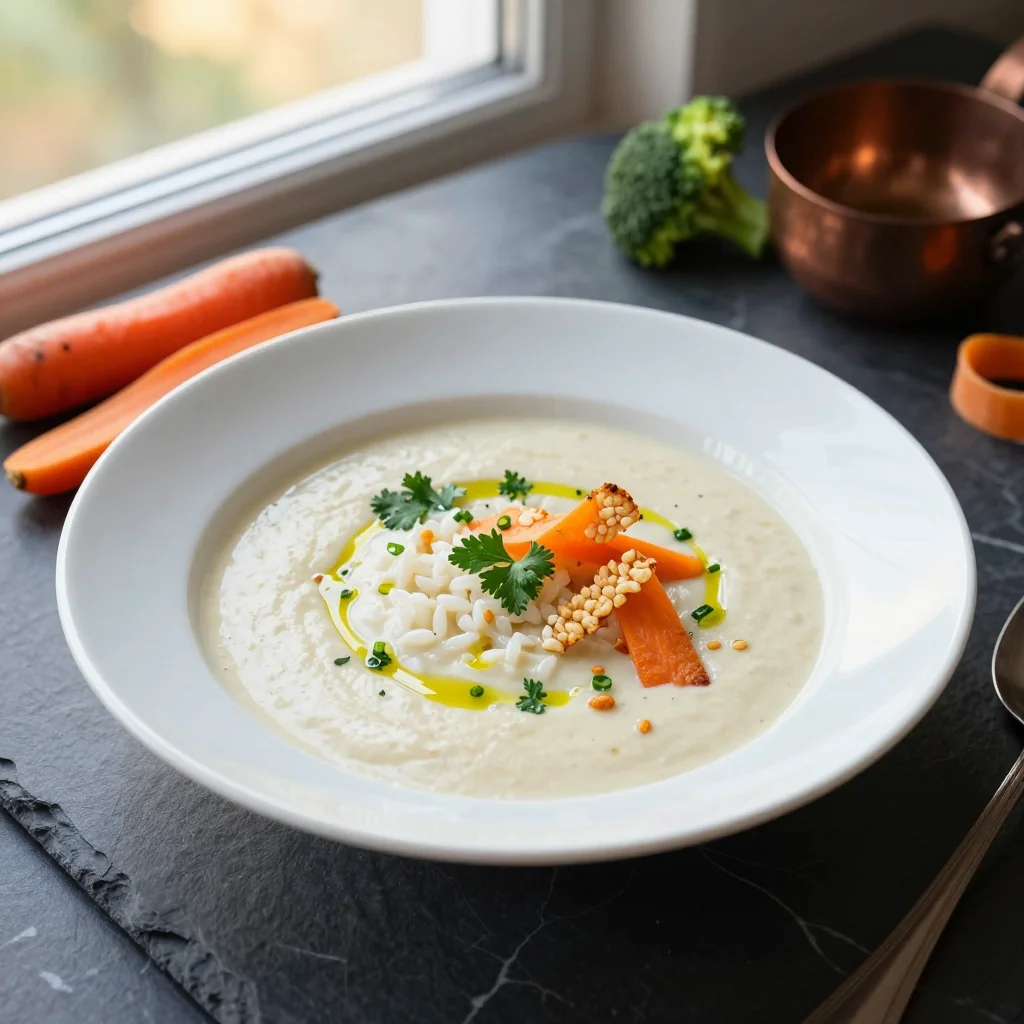
When I was a child, the first time my grandmother ladled a steaming bowl of vegetable soup into my lap, the aroma of simmering carrots, onions, and a hint of fresh parsley wrapped around me like a warm blanket. I still remember the gentle clink of the wooden spoon against the pot and the way the steam curled up, carrying the promise of comfort on a chilly autumn evening. That memory has lingered, guiding me back to the kitchen whenever I need a moment of solace.
This particular soup hails from the heart of classic French home cooking, where humble vegetables are transformed into a silky masterpiece through careful simmering and the subtle addition of rice for body. It’s a dish that bridges the gap between a light starter and a hearty main, making it perfect for any season, especially when you crave something nurturing yet bright.
In this article, I’ll walk you through every nuance—from selecting the freshest produce to mastering the perfect rice-to-broth ratio—so you can recreate a bowl that feels both restaurant‑quality and home‑cooked. You’ll learn why each step matters, how to tweak flavors for your palate, and the science behind achieving that velvety texture without a splash of cream.
Ready to dive in? Grab your apron, and let’s bring this timeless soup to life together.
🌟 Why This Recipe Will Win Your Heart
This soup isn’t just a meal; it’s a celebration of texture, flavor, and nutrition, all wrapped in a single, comforting bowl.
- ✨ Creamy Without Cream: By pureeing a portion of the vegetables and rice, the soup gains a luxurious mouthfeel while staying dairy‑free, perfect for those with lactose intolerance.
- ✨ Nutrient‑Dense Veggies: Carrots, broccoli, cauliflower, and potatoes deliver a spectrum of vitamins A, C, K, and potassium, making the dish as wholesome as it is delicious.
- ✨ Easy Portion Control: The built‑in portion adjuster lets you scale the recipe from a solo lunch to a family dinner without guesswork.
- ✨ One‑Pot Simplicity: All ingredients cook together, reducing cleanup and preserving the natural flavors that would otherwise be lost.
- ✨ Customizable Flavor Base: Fresh herbs, a squeeze of lemon, and optional Parmesan let you tailor the taste to your preference—whether you love bright citrus notes or a richer, umami finish.
- ✨ Budget‑Friendly: The ingredients are pantry staples, making this a cost‑effective option for weeknight meals or large gatherings.
🥗 Ingredients
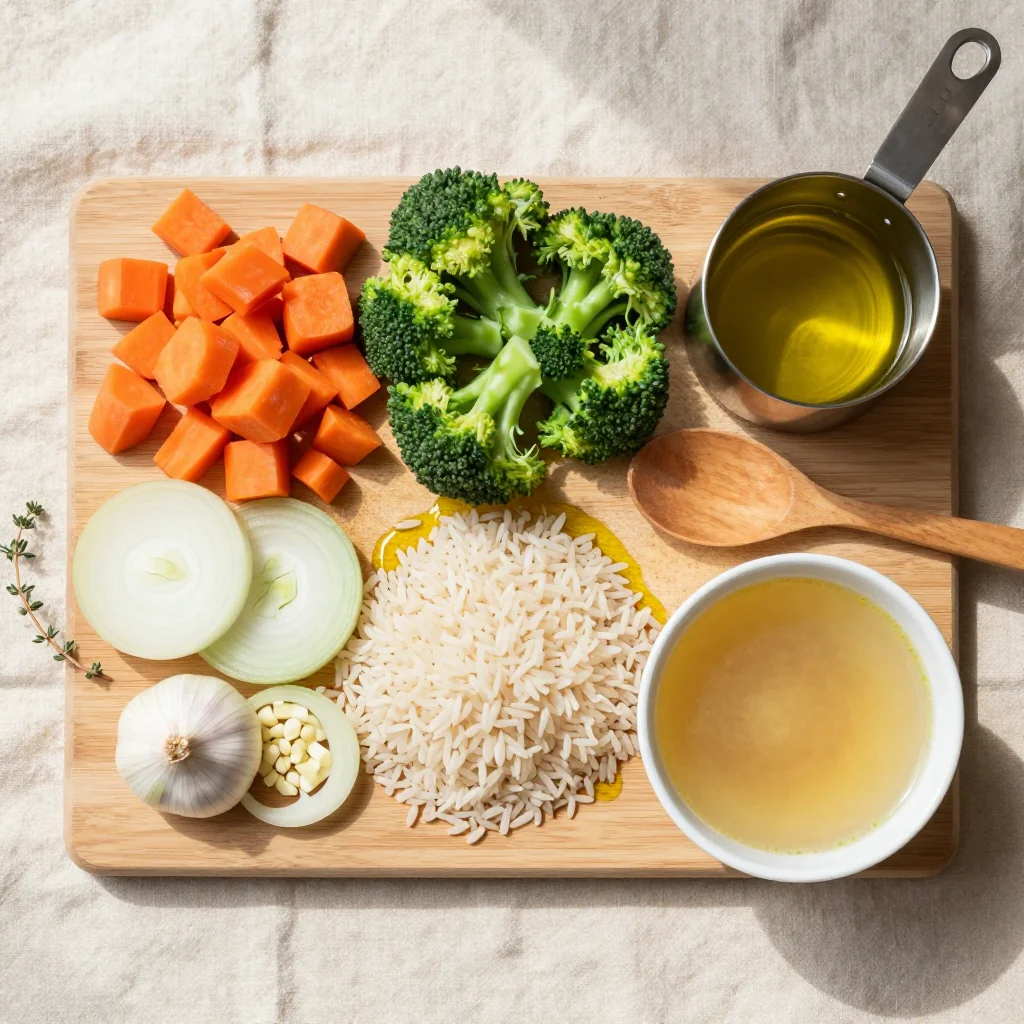
📝 Complete Ingredient List
For the Soup Base:
For the Rice:
For the Garnish:
🔍 Focus on Key Ingredients
Olive Oil
Olive oil provides a silky base that carries the aromatics without overwhelming the delicate vegetable flavors. Opt for extra‑virgin for a fruitier note, or a light olive oil if you prefer a milder profile. Its monounsaturated fats also boost the soup’s heart‑healthy credentials.
Long‑Grain White Rice
The rice acts as a natural thickener once it releases its starches into the broth. Long‑grain varieties keep the grains separate, delivering a pleasant bite, while still contributing to the creamy texture when blended. For a gluten‑free version, rice is already perfect.
Fresh Parsley & Lemon Juice
These finishing touches add brightness and a hint of acidity that cuts through the richness, balancing the soup’s depth. Parsley brings a subtle grassy note, while lemon juice lifts the overall palate, ensuring each spoonful feels fresh.
🔄 Quick Substitutions
| If you don’t have… | Use instead… |
|---|---|
| Vegetable broth | Chicken broth or water + bouillon cube |
| Olive oil | Canola oil or melted butter |
| Parmesan | Nutritional yeast for a vegan twist |
👨🍳 Step‑by‑Step Instructions
Follow these detailed steps to build layers of flavor, achieve the perfect rice texture, and finish with a glossy, aromatic garnish.
📋 Phase 1: Preparation & Mise en Place
Gather, wash, and dice all vegetables before you start cooking. This ensures a smooth workflow.
Prepare the vegetables
Rinse carrots, celery, broccoli, cauliflower, and potatoes under cold water. Peel the potatoes, then dice all vegetables into uniform ½‑inch cubes. This uniformity guarantees even cooking and a consistent texture throughout the soup.
Rinse the rice
Place the rice in a fine‑mesh sieve and rinse under running water until the water runs clear. This removes excess starch that could make the soup gummy.
🔥 Phase 2: Cooking & Assembly
Build the soup base, cook the rice, then blend for creaminess.
Sauté aromatics
Heat olive oil in a large stockpot over medium heat. Add the diced onion and sauté for 3‑4 minutes until translucent. Stir in garlic, carrots, and celery, cooking another 2 minutes. The vegetables should become fragrant but not browned.
Add broth, water, and seasonings
Pour in the vegetable broth and water, then add the potatoes, cauliflower, broccoli, thyme, and basil. Bring the mixture to a gentle boil, then reduce to a simmer. Cover and let it cook for 12‑15 minutes, or until the vegetables are tender.
Cook the rice separately
While the soup simmers, combine the rinsed rice and 1 cup of water in a small saucepan. Bring to a boil, then lower the heat, cover, and simmer for 15 minutes. Once cooked, fluff with a fork and set aside.
✨ Phase 3: Finishing & Plating
Blend, combine rice, and garnish for the final presentation.
Blend for creaminess
Using an immersion blender, puree about two‑thirds of the soup directly in the pot until smooth. If you prefer a completely silky texture, blend the entire pot in batches. Return the blended portion to the pot, stirring gently.
Incorporate the rice
Add the cooked rice to the blended soup, stirring until evenly distributed. The rice will continue to release starch, thickening the broth further and giving the soup a hearty body.
Season and finish
Season with salt and pepper to taste. Stir in the lemon juice and half of the chopped parsley. If using Parmesan, sprinkle it now for an extra layer of umami.
Serve
Ladle the soup into bowls, garnish with the remaining parsley and a drizzle of olive oil if desired. Serve hot with crusty bread or a simple side salad.
💡 Expert Tips & Tricks
🛒 Choosing the Right Ingredients
Look for carrots that are firm and bright orange; avoid those with cracks or soft spots. Celery should snap when bent, indicating freshness. For broccoli and cauliflower, choose heads with tightly closed florets and no yellowing. Fresh parsley should be deep green, with no wilting. When selecting rice, opt for a long‑grain variety like Basmati or Jasmine for a fluffy texture.
🔪 Preparation Techniques
Uniform dice ensures even cooking and prevents some pieces from turning mushy while others remain undercooked. Use a sharp chef’s knife for clean cuts, and keep the tip of the knife on the cutting board to guide your slices. For the onion, cut it in half, slice from root to tip, then dice to minimize tears.
🌡️ Mastering the Cooking Process
Maintain a gentle simmer rather than a vigorous boil; this preserves the delicate flavors of the vegetables and prevents the broth from becoming cloudy. When blending, do it in short bursts to avoid splattering. If you notice the soup thickening too much, add a splash of water or broth to adjust consistency.
🍽️ Presentation & Service
For a restaurant‑style look, swirl a thin line of olive oil on the surface and dust with a pinch of smoked paprika. Add a few whole broccoli florets or a small sprig of parsley on top for visual contrast. Serve with a warm baguette, and you’ll have a dish that dazzles both the eyes and palate.
🏆 Pro Tips
Professional chefs rely on precision and technique to elevate a simple soup into a masterpiece.
- 🎯 Layered Flavor Development: Add the dried herbs early, but finish with a handful of fresh herbs and citrus at the end. This creates a depth where the base herbs provide background notes and the fresh herbs deliver a bright, aromatic finish.
- 🎯 Temperature Control: Keep the broth at a steady 85‑90 °C (185‑194 °F) while simmering. Too high a temperature will break down the cell walls of the vegetables, releasing bitterness.
- 🎯 Perfect Rice Integration: Cook the rice separately to avoid over‑cooking the vegetables. The rice’s starch acts as a natural thickener without the need for cream.
- 🎯 Consistency Check: After blending, the soup should coat the back of a spoon. If it’s too thin, let it simmer uncovered for a few minutes; if too thick, stir in additional broth.
- 🎯 Balancing Acidity: A splash of lemon juice at the end brightens the soup and balances the natural sweetness of the carrots. Add it gradually, tasting as you go.
- 🎯 Garnish Timing: Add the Parmesan and parsley just before serving to preserve their texture and flavor. Over‑mixing can cause the cheese to melt into the broth, losing its pleasant melt‑in‑your‑mouth quality.
“A soup is the ultimate comfort food; its soul lies in the balance between simplicity and technique.” — Thomas Keller
🔄 Variations & Adaptations
This soup is a canvas for creativity. Below are several ways to tailor it to dietary preferences, flavor cravings, and seasonal produce.
🥬 Vegetarian/Vegan Version
Replace the Parmesan with nutritional yeast for a cheesy, vegan-friendly flavor. Ensure the broth is vegetable‑based and free from animal additives. You can also swap olive oil for a splash of sesame oil for an Asian‑inspired twist.
- Use ¼ cup nutritional yeast instead of Parmesan.
- Substitute olive oil with 1 tbsp toasted sesame oil for a nutty aroma.
🌶️ Flavor Variations
Adjust the spice profile to suit your palate or to reflect different culinary traditions.
Spicy Version:
Add ½ tsp crushed red pepper flakes during sauté, and finish with a drizzle of chili oil.
Mediterranean Version:
Include a handful of chopped sun‑dried tomatoes and a teaspoon of smoked paprika. Garnish with crumbled feta.
Asian Version:
Swap thyme and basil for 1 tsp ginger paste and 1 tsp soy sauce. Finish with a sprinkle of toasted sesame seeds and a splash of rice vinegar.
⚠️ Dietary Adaptations
Gluten‑Free:
All ingredients are naturally gluten‑free; just ensure the broth and any bouillon cubes are labeled gluten‑free.
Lactose‑Free:
Since the recipe uses no dairy, it’s already lactose‑free. Use nutritional yeast if you’d like a cheesy flavor without dairy.
Low‑Calorie:
Reduce the olive oil to 1 tbsp, omit the Parmesan, and increase the proportion of non‑starchy vegetables (extra broccoli and cauliflower). This cuts calories while preserving volume.
👶 Family/Kids Version
Kids often love milder flavors. Omit the thyme and basil, and blend the soup until completely smooth. Serve with fun-shaped croutons or a sprinkle of shredded mild cheddar for extra appeal.
📦 Storage & Reheating
🧊 Conservation
Refrigerator:
- Duration: 4 days
- Recommended container: airtight glass jar or BPA‑free plastic container
- Tip: Let the soup cool to room temperature before sealing to prevent condensation.
Freezer:
- Duration: 3 months
- Method: Portion into freezer‑safe bags, leaving headspace for expansion.
- Defrosting: Transfer to fridge overnight or use the defrost setting on your microwave.
💡 For best texture, re‑heat only the amount you’ll consume; repeated heating can cause the rice to become overly soft.
♨️ Reheating
🔥 Oven (Recommended):
- Preheat to 180 °C (350 °F).
- Cover the soup with aluminum foil.
- Heat for 15‑20 minutes, stirring halfway.
- Remove foil and continue heating 5 minutes to restore a slight sheen.
⚡ Microwave (Quick):
- Cover with a microwave‑safe lid.
- Heat on medium power for 2 minutes, stir, then continue in 30‑second bursts.
🍳 Stovetop:
Place soup in a saucepan over low heat, adding a splash of water or broth if it thickens too much. Stir gently until heated through.
🍷 Perfect Pairings
🥗 Side Dishes
- Mixed Green Salad: A simple vinaigrette of lemon, olive oil, and Dijon balances the soup’s richness.
- Garlic‑Roasted Brussels Sprouts: Their caramelized flavor adds a pleasant contrast.
- Warm Baguette Slices: Lightly toasted with a brush of olive oil for dipping.
🍷 Wine & Beverage Pairings
- Dry Sauvignon Blanc: Its crisp acidity mirrors the lemon finish.
- Light‑bodied Pinot Grigio: Enhances the herbal notes without overpowering.
- Non‑Alcoholic: Sparkling water with a slice of cucumber offers refreshing balance.
🍰 Completing the Meal
Start with a light appetizer such as goat cheese crostini, then enjoy the soup as the main course. Finish with a citrus‑infused sorbet or a delicate almond cake to keep the palate bright.
❓ Frequently Asked Questions
Q: Can I use brown rice instead of white rice?
Yes, brown rice adds a nuttier flavor and extra fiber, but it requires a longer cooking time (about 40‑45 minutes). To keep the cooking process simple, you can pre‑cook the brown rice separately and add it in step 7.
Q: How do I make the soup thicker without adding more rice?
Blend a larger portion of the vegetables, or add a tablespoon of cooked lentils or white beans before blending. Both options increase starch content and yield a thicker consistency while boosting protein.
Q: Is it possible to freeze the soup with the rice already mixed in?
Freezing with rice is fine, but the rice may become slightly softer upon thawing. If you prefer firmer rice texture, freeze the soup base separately and add freshly cooked rice when reheating.
Q: My soup turned out grainy after blending—what went wrong?
A grainy texture usually means the vegetables weren’t cooked long enough or the blender wasn’t run long enough. Ensure the vegetables are fully tender before blending, and blend in steady, high speed for at least 30 seconds.
Q: Can I substitute the herbs with fresh ones?
Absolutely! Use 1 tablespoon of fresh thyme and basil each, adding them during the sauté stage. Fresh herbs will provide a brighter, more aromatic profile.
Q: How can I make this soup suitable for a low‑sodium diet?
Choose a low‑sodium vegetable broth or make your own with no added salt. Add herbs and lemon juice for flavor, and season lightly with a pinch of sea salt at the end if needed.
🎉 To Your Kitchen!
This creamy vegetable soup with rice is more than a comfort dish; it’s a versatile, nutrient‑rich canvas that welcomes personalization. From the first aromatic sauté to the final swirl of lemon and parsley, every step is designed to bring out the natural sweetness of the vegetables while delivering a velvety texture without dairy. Whether you’re feeding a family, entertaining guests, or simply craving a wholesome bowl on a rainy day, this recipe promises satisfaction, warmth, and a sense of culinary accomplishment.
Give it a try, experiment with the variations, and let your taste buds guide you. Share your results, ask questions in the comments, and don’t forget to rate the recipe. Your feedback helps us refine and create even more delicious meals.
Have you tried this recipe?
Leave a comment and rating below! Share your photos on Instagram with #CreamyVegSoup for a chance to be featured.
Creamy Vegetable Soup with Rice and Veggies
A velvety, hearty soup that blends garden vegetables, rice, and herbs into a comforting bowl.
📝 Ingredients
Soup Base
Rice
Garnish
👨🍳 Instructions
- 1 Heat olive oil, sauté onion, garlic, carrots, and celery until softened.
- 2 Add potatoes, cauliflower, broccoli, broth, water, thyme, and basil; simmer 12‑15 min.
- 3 Cook rice separately according to package directions.
- 4 Puree two‑thirds of the soup for creaminess.
- 5 Stir cooked rice into the blended soup.
- 6 Season with salt, pepper, lemon juice, and parsley; add Parmesan if desired.
- 7 Ladle into bowls, garnish, and serve hot.
🥗 Nutritional Information (per serving)
*Values are estimates based on standard ingredient data.
📚 You Might Also Like
Roasted Tomato Basil Soup
Creamy Mushroom Barley Soup
Thai Coconut Curry Soup







💬 Comments & Reviews
Leave a Comment
No comments yet. Be the first to share your thoughts!