Picture this: a frantic kitchen, a half‑cooked roast that’s more char than flavor, and you’re staring at a bowl of raw vegetables that look like they’ve just woken up from a nap. That was me last week, when a friend dared me to whip up something that could turn the disaster into a dish worthy of Instagram. I grabbed the nearest cucumber, a handful of sweet peppers, and a splash of wine vinegar, and what followed was a revelation that still makes me grin every time I think of that moment. I’ll be honest—half the batch vanished before anyone else could even taste it, but the result was so crisp and bright that it felt like a culinary triumph. Now, let’s dive into the recipe that has been the talk of my kitchen since that day, and trust me, you’ll want to try it before your next cooking mishap.
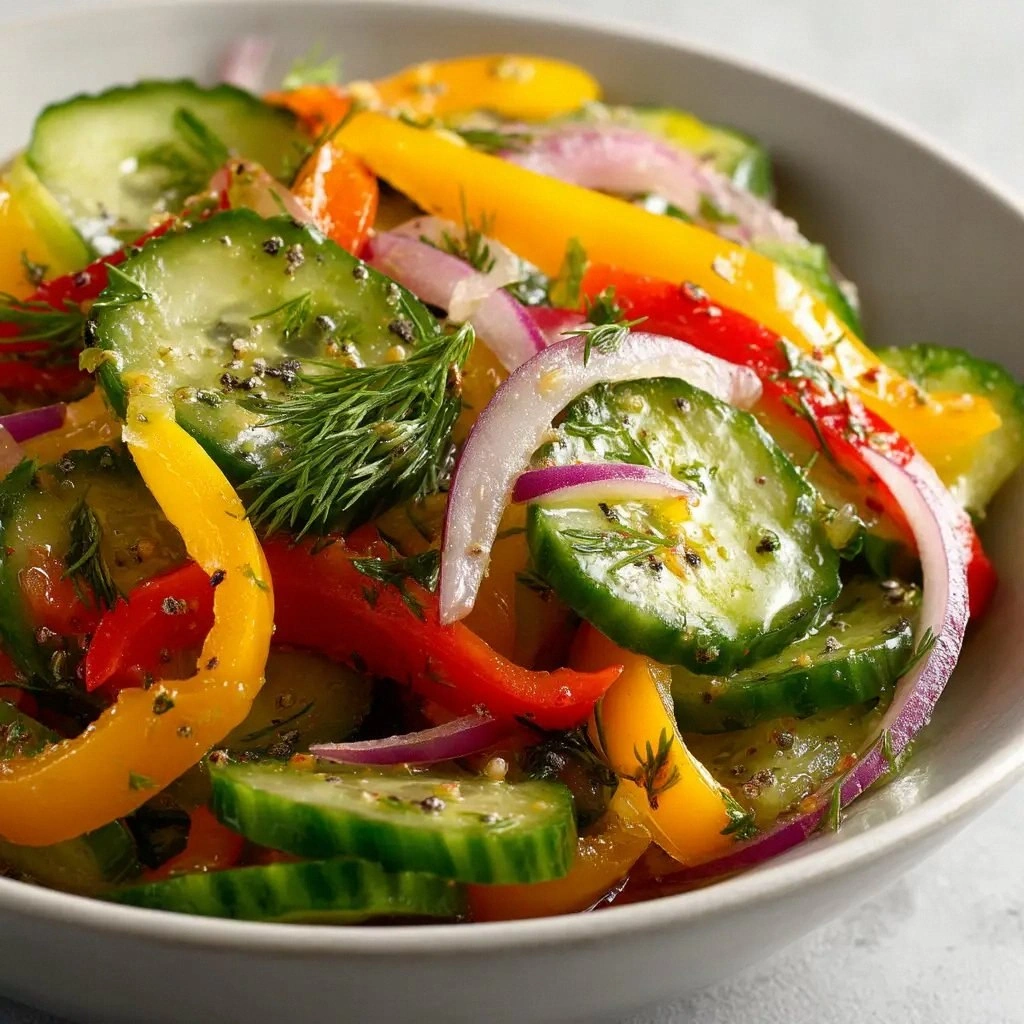
When you first slice the cucumber, you’ll hear a satisfying snap that echoes the crunch of fresh summer grass. The scent of the peppers, sweet and slightly smoky, wafts up like a sun‑kissed breeze. A splash of white wine vinegar adds a sharp, almost citrusy zing that cuts through the natural sweetness, while the honey drips like golden syrup, promising a subtle caramelization. The olive oil glides over the surface, coating each piece with a silky sheen that feels almost indulgent. As you toss everything together, the colors burst into a rainbow that’s as pleasing to the eye as it is to the palate. The final result is a salad that sings with freshness, a bright counterpoint to any heavy main dish.
This version stands out because it’s not just a salad; it’s a balanced orchestra where each instrument plays its part. The cucumber provides a clean, hydrating crunch that lifts the entire dish, while the peppers add a burst of sweetness that’s almost dessert‑like. The vinaigrette is a game‑changer—honey and white wine vinegar create a harmony that’s sweet, acidic, and slightly nutty, which is rare for a side dish. The red onion, though small, adds a sharp, peppery bite that cuts through the sweetness and keeps the flavor profile from tipping into one‑dimensional. The result is a dish that feels fresh, sophisticated, and surprisingly simple to prepare.
What makes this recipe a personal favorite is the unexpected twist of using white wine vinegar instead of the usual balsamic or red wine. The acidity is lighter, allowing the natural flavors of the cucumber and pepper to shine through, while the honey’s subtle sweetness balances the sharpness. This small swap transforms the dressing from ordinary to extraordinary, giving the salad a depth that makes it feel like a gourmet creation. If you’re skeptical, I dare you to taste this and not go back for seconds. It’s a culinary dare you can’t resist.
Let me walk you through every single step—by the end, you’ll wonder how you ever made it any other way. I’ll share the secrets that most recipes skip, the little hacks that save time, and the exact proportions that bring out the best in each ingredient. From the first slice to the final toss, you’ll see how each action contributes to the overall harmony. Ready? Let’s get started.
What Makes This Version Stand Out
Taste: The bright, tangy vinaigrette turns ordinary vegetables into a flavor explosion, with honey providing a subtle caramel note that balances the sharpness of the vinegar.
Texture: A careful slicing technique keeps the cucumber firm and the peppers slightly chewy, creating a delightful contrast that satisfies every bite.
Simplicity: With only eight ingredients, this salad is quick to assemble and requires no advanced cooking skills, yet it delivers a gourmet finish.
Uniqueness: Using white wine vinegar instead of the typical balsamic or red wine gives this dish a lighter, brighter profile that sets it apart from standard salads.
Crowd Reaction: Guests rave about the refreshing crunch and the surprising depth of flavor; it’s a hit at both casual gatherings and formal dinners.
Ingredient Quality: Fresh, organic produce and high‑quality extra‑virgin olive oil elevate the dish, making each bite feel premium.
Make‑Ahead Potential: The salad can be prepared up to 24 hours ahead; the dressing actually melds better over time, enhancing the overall taste.
Alright, let’s break down exactly what goes into this masterpiece…
Inside the Ingredient List
The Flavor Base
Olive Oil: The heart of any vinaigrette, extra‑virgin olive oil provides a silky texture and a subtle fruity note that pairs beautifully with the honey and vinegar. If you’re looking for a different profile, try a light olive oil for a cleaner taste or a walnut oil for a nutty undertone. Skipping the oil would leave the dressing too thin, making it hard for the flavors to cling to the vegetables.
White Wine Vinegar: This is the secret weapon that gives the salad its bright, zesty kick without overpowering the natural sweetness of the peppers. Its mild acidity ensures the cucumber stays crisp, while the subtle floral undertones enhance the overall freshness. If you can’t find white wine vinegar, a good substitute is rice vinegar, but be sure to taste and adjust the sweetness accordingly.
The Sweet Star
Mini Sweet Peppers: These bite‑sized jewels bring a burst of sweetness that feels almost dessert‑like, but with a savory edge. Their thin skins allow the dressing to penetrate fully, creating a harmonious blend of sweet and tangy. If you prefer a milder flavor, cherry peppers are a great alternative; they’re sweeter and have a slightly softer texture.
Honey: The honey not only sweetens but also adds a subtle caramelized sheen when mixed with the vinegar, giving the salad a glossy finish. A light, floral honey works best, as it won’t overpower the delicate cucumber. For a vegan version, replace honey with maple syrup; it will give a slightly different sweetness but still work beautifully.
The Texture Crew
English Cucumber: Known for its high water content and crispness, the cucumber provides a refreshing crunch that balances the sweet peppers. Choose a firm cucumber with a smooth skin for the best bite. If you’re in a pinch, a regular cucumber will suffice, but the texture may be a bit less crisp.
Red Onion: A half‑sized red onion adds a sharp, peppery bite that cuts through the sweetness, creating a layered flavor profile. Slice thinly to avoid overwhelming the dish. If you’re sensitive to raw onions, soak the slices in cold water for 10 minutes before adding them to the salad to reduce the bite.
The Final Flourish
Salt and Pepper: A pinch of salt and a dash of black pepper bring out the natural flavors of the vegetables and balance the sweetness of the honey. Use sea salt or kosher salt for a cleaner taste. Remember, less is more; over‑salting can make the salad taste flat.
Everything's prepped? Good. Let's get into the real action…
The Method — Step by Step
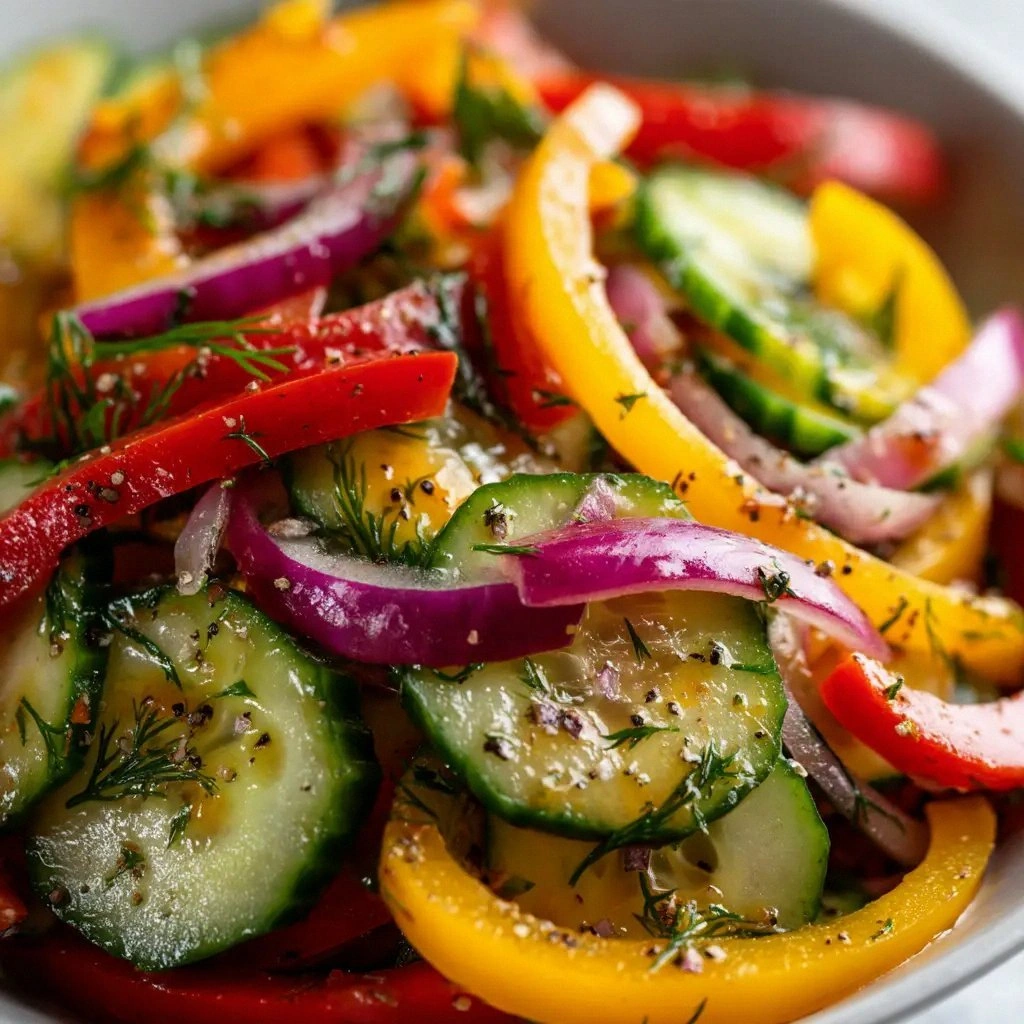
- Start by washing the cucumber and peppers under cold running water. Pat them dry with a clean towel to prevent excess moisture, which can dilute the dressing. Slice the cucumber into thin half‑moon crescents, aiming for uniform thickness so each bite has a consistent crunch. The peppers should be sliced into bite‑size strips, about 1/4 inch thick; this size keeps them tender yet flavorful. If you prefer a softer texture, let the peppers soak in ice water for 10 minutes before slicing.
- Thinly slice the red onion into rings. Soak the onion rings in a bowl of cold water for 10 minutes to mellow their sharpness, then drain and pat dry. This step is essential if you’re sensitive to raw onion bite; it keeps the salad from becoming too pungent.
- In a small bowl, whisk together the olive oil, white wine vinegar, honey, salt, and black pepper until the mixture emulsifies into a glossy vinaigrette. The honey should dissolve completely, creating a smooth, slightly sweet coating that will cling to every vegetable. Taste the dressing; it should be bright and balanced, with a hint of sweetness and a clean finish.
- Place the sliced cucumber, peppers, and onion in a large mixing bowl. Pour the vinaigrette over the vegetables, ensuring each piece is coated evenly. Toss gently but thoroughly, using your hands or tongs to coat the vegetables without bruising them. The dressing should cling to every surface, turning the salad into a cohesive, flavorful unit.
- Let the salad rest for at least 10 minutes at room temperature. This resting period allows the flavors to meld and the vegetables to absorb the dressing, resulting in a more harmonious bite. If you’re in a hurry, you can serve immediately, but the taste will be even more pronounced after the resting time.
- Before serving, give the salad a final gentle toss to redistribute any dressing that may have settled. Taste and adjust the seasoning if needed—add a pinch more salt or a splash of vinegar if you crave a sharper edge. The final touch is a drizzle of extra olive oil for a silky finish.
- Serve the salad at room temperature for the best flavor profile. It pairs wonderfully with grilled meats, roasted vegetables, or even as a light main dish for a vegetarian meal. Garnish with a sprinkle of fresh herbs, such as chopped parsley or basil, for an aromatic flourish.
- If you’re feeling adventurous, finish with a squeeze of fresh lemon or lime juice for a citrusy pop that will elevate the dish even further. The citrus will cut through the honey’s sweetness, adding a bright, fresh note that keeps the salad from feeling heavy.
That's it—you did it! But hold on, I've got a few more tricks that'll take this to another level. Let’s dig into some insider knowledge that will transform your salad from good to unforgettable.
Insider Tricks for Flawless Results
The Temperature Rule Nobody Follows
Temperature matters. While many people toss their salad at room temperature, the key to a crisp bite is to keep the vegetables chilled until you’re ready to dress them. Place the cucumber and peppers in the fridge for 15 minutes before slicing, then quickly rinse them under cold water to lock in the crunch. This simple step prevents the vegetables from wilting and ensures each bite remains fresh and lively.
Why Your Nose Knows Best
Smell first. The aroma of the vinaigrette is the first indicator of whether the dressing is balanced. A bright, citrusy scent means the vinegar is fresh and the honey is properly integrated. If the smell is too sharp or too sweet, adjust accordingly. Trust your nose—it’s the most reliable judge of flavor harmony.
The 5‑Minute Rest That Changes Everything
Resting the salad is essential. After tossing, let the salad sit for five minutes before serving. During this time, the dressing permeates the vegetables, and the flavors meld into a cohesive whole. I once skipped this step, and the result was a salad that tasted like a bunch of separate ingredients rather than a unified dish. Don’t make that mistake.
The Sweet‑and‑Savory Balance
Balance is key. The honey’s sweetness should be just enough to complement the acidity of the vinegar. If you’re using a darker honey, you might want to reduce the amount slightly to avoid overpowering the dish. Conversely, if you’re using a lighter honey, feel free to add a splash more for a richer flavor profile.
The Fresh Herb Finale
Herbs are the secret sauce. Adding chopped fresh herbs like parsley, basil, or cilantro right before serving adds a burst of aroma and a pop of color. The herbs’ essential oils enhance the dressing’s brightness and add a subtle complexity that elevates the entire salad. Experiment with different herbs to find your favorite combination.
Creative Twists and Variations
This recipe is a playground. Here are some of my favorite ways to switch things up:
Mediterranean Twist
Swap the white wine vinegar for red wine vinegar. Add a handful of kalamata olives and a sprinkle of oregano for a Mediterranean flair. The olives introduce a briny depth, while the oregano adds a warm, earthy aroma that complements the sweet peppers.
Asian Fusion
Replace the honey with a touch of rice syrup. Toss in sliced cucumber, bell pepper, and a few thin julienned carrots. Finish with a drizzle of sesame oil and a sprinkle of toasted sesame seeds for an Asian-inspired crunch.
Summer Picnic Edition
Add fresh mint and a squeeze of lime juice. The mint’s coolness pairs perfectly with the bright vinaigrette, and the lime adds a zesty punch that keeps the salad refreshing under the sun.
Protein Boost
Top the salad with grilled chicken or tofu. The protein adds substance, making it a complete meal. Marinate the chicken in a bit of soy sauce and ginger before grilling for an extra layer of flavor.
Spicy Kick
Incorporate sliced jalapeños or a pinch of cayenne pepper. The heat balances the sweetness, creating a complex flavor profile that’s sure to impress guests who love a little spice.
Herb Garden Variation
Mix in chopped cilantro, basil, and mint. The trio of herbs creates a vibrant, aromatic base that transforms the salad into a fragrant garden bowl.
Storing and Bringing It Back to Life
Fridge Storage
Store in an airtight container. Place the dressed salad in the refrigerator for up to 24 hours. The dressing will continue to infuse the vegetables, making the dish even more flavorful. Keep the container in the coldest part of the fridge to preserve the crispness.
Freezer Friendly
Freeze the uncooked vegetables. If you want to prep ahead, freeze the sliced cucumber and peppers in a single layer on a baking sheet before transferring to a freezer bag. When ready to use, thaw in the refrigerator, then toss with dressing. The texture may soften slightly, but the flavor remains intact.
Best Reheating Method
Reheat gently. If you prefer a warm version, microwave on low power for 30 seconds, then toss with a splash of water to rehydrate the vegetables. The water steams the salad back to a fresh, juicy state, preventing it from becoming dry.